Views: 0 Author: Site Editor Publish Time: 2026-04-17 Origin: Site
Have you ever noticed your diamond saw blade cutting slower or leaving rough edges?
A dull blade can cost you time, money, and even safety on the job.A diamond saw blade is a special tool designed to cut hard materials like concrete, stone, and ceramic.
Keeping it sharp is key for fast, clean cuts and safe operation.In this post, you’ll learn how to spot when your diamond saw blade is dull.
We’ll cover common signs, causes, and easy maintenance tips.
You’ll also find advice from trusted brands like Zhongzhi Enterprises, Delta Diamond, and Johnson Tools.
Diamond saw blades stand apart from traditional steel blades in several key ways. Unlike regular blades, they use industrial-grade diamond grit embedded in a metal bond matrix. This unique combination allows them to cut through extremely hard materials like concrete, stone, and ceramics—tasks that would quickly wear down conventional blades.
Diamond Grit as the Cutting Edge: The diamonds are the actual cutting surface. They’re incredibly hard, far harder than steel, which enables the blade to grind through tough materials rather than slice.
Metal Bond Matrix: This holds the diamond particles in place. As the blade cuts, the metal bond wears away slowly, exposing fresh diamonds to maintain cutting efficiency.
Self-Sharpening Effect: Because the bond wears down with use, new sharp diamonds are continually revealed. This is why diamond blades don’t dull in the traditional sense but lose effectiveness when either the diamonds wear out or the bond wears unevenly.
The synergy between diamond grit and metal bond is crucial for performance. Here’s how it works:
Diamond Grit Size and Quality: Larger, high-quality diamond particles cut faster but wear out quicker. Smaller grit lasts longer but cuts more slowly.
Bond Hardness: Harder bonds are suited for softer materials, preventing the diamonds from being pulled out too quickly. Softer bonds are for harder materials to expose diamonds faster for effective cutting.
Balance: Manufacturers carefully balance grit size and bond hardness based on the blade’s intended use. This ensures optimal cutting speed, durability, and smoothness.
Diamond saw blade life varies widely. The lifespan depends on:
Material Being Cut: Harder materials like granite and reinforced concrete wear blades faster than softer ones like brick or asphalt.
Cutting Technique: Proper feed pressure and correct RPM extend blade life. Forcing the blade or running it too fast causes overheating and premature wear.
Blade Quality: High-quality blades last longer due to better materials and manufacturing processes.
Typical Lifespan Range: Expect 12 to 120 hours of continuous cutting depending on conditions.
Factor | Impact on Lifespan | Example |
Material hardness | Harder materials reduce blade life | Granite vs. brick |
Cutting speed & force | Excessive force causes overheating | Forcing blade through concrete |
Cooling method | Wet cutting prolongs blade durability | Dry cutting shortens life |
Blade quality | Premium blades last longer | Zhongzhi vs. generic blades |
Not all diamond saw blades are created equal. Precision manufacturing makes a big difference.
Zhongzhi Enterprises: Known for over 30 years of expertise, Zhongzhi uses more than 10 precision production lines. Their blades are designed for stability and long-term cutting, backed by professional after-sales support.
Delta Diamond: Offers a limited lifetime warranty on many blades, highlighting confidence in their durability and craftsmanship. Their blades are trusted by contractors and municipalities alike.
Johnson Tools: Focuses on optimized bond formulas and laser welding technology to resist glazing and wear, ensuring consistent sharpness and cut quality over time.
These companies invest heavily in quality control and materials science, which translates to longer-lasting, more reliable diamond saw blades. When choosing a blade, considering the manufacturer’s reputation can save you money and downtime.
Knowing when your diamond saw blade is dull can save you time and money. A sharp blade cuts smoothly and quickly, but as it wears, performance drops noticeably.
A sharp diamond saw blade slices through materials with ease, maintaining a steady pace. When cutting slows down, it’s a clear sign the blade is losing its edge. You’ll notice it takes longer to finish the same job, often requiring multiple passes. Johnson Tools stresses the importance of correct RPM and feed pressure to extend blade life and keep cuts efficient. Running blades too fast or slow only speeds up wear.
When your blade dulls, you’ll feel the difference immediately. It demands more force to cut through stone, ceramic, or concrete. Applying extra pressure might seem like a quick fix, but it risks overheating the blade and damaging both the tool and material. Excessive force can also cause safety hazards, including kickbacks or blade breakage. Always listen to how the blade responds to your cutting pressure.
The quality of your cuts reveals a lot. A dull diamond saw blade produces rough, uneven edges instead of smooth, clean lines. You might see chipping or splintering along tiles or stone surfaces. These imperfections not only affect aesthetics but may also weaken the material’s integrity. Visual inspection of cut edges helps you spot blade wear early, avoiding costly rework.
Burn marks or excessive sparks during cutting are warning signs. They happen when the blade overheats due to dullness or improper use. Overheating damages the blade’s bond and diamonds, reducing cutting effectiveness. It also leaves scorch marks on your workpiece, ruining the finish and possibly causing structural damage. Keeping blades cool, especially during wet cutting, can prevent this issue.
A sharp blade runs smoothly and quietly. If you notice increased vibration or loud grinding noises, the blade may be dull or damaged. Excessive vibration reduces cutting precision and stresses your saw’s motor, potentially causing premature failure. It also increases operator fatigue and safety risks. Pay attention to sound and feel during operation—they’re good indicators of blade condition.
Glazing happens when the blade’s cutting surface becomes smooth and shiny, often due to trapped debris or worn diamonds. This “polished” look means the blade isn’t grinding effectively anymore. Diamond King Tools focuses on optimized bond formulas to prevent glazing, ensuring blades stay sharp longer. You can spot glazing by inspecting the blade once it cools—if it looks glassy instead of rough, it needs dressing.
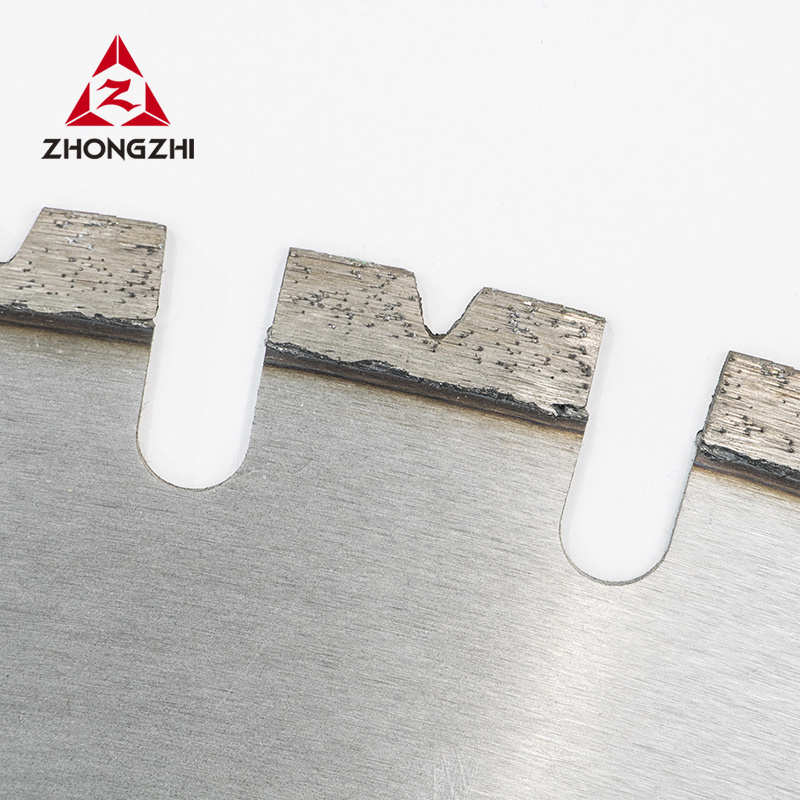
Regular physical inspection is crucial. Look for uneven segment wear, cracks, or missing diamond pieces. These are signs the blade is beyond simple sharpening and must be replaced. Continuing to use a damaged blade risks safety and poor cutting results. A blade worn down to the steel core is no longer safe.
Sign | What to Look For | Why It Matters |
Slower Cutting Speed | Longer cutting time, multiple passes | Indicates diamond wear or glazing |
Increased Pressure Needed | More force required | Risks overheating and blade damage |
Rough or Jagged Edges | Chipping, uneven cuts | Poor finish, material damage |
Excessive Sparks/Burn Marks | Visible scorch marks, more sparks | Overheating damages blade and material |
Increased Vibration/Noise | Loud grinding, shaking saw | Safety risks, motor strain |
Glazed Segment Surface | Smooth, shiny blade rim | Reduced cutting efficiency |
Visible Wear or Damage | Cracks, missing segments, uneven wear | Unsafe, requires immediate replacement |
Recognizing these signs early helps maintain your diamond saw blade’s performance and safety. Paying attention to how your blade cuts and looks can prevent costly downtime and accidents.

Diamond saw blades don’t stay sharp forever. Over time, the diamond particles wear down naturally, and the metal bond that holds them weakens. This slow but steady wear reduces cutting efficiency until the blade needs attention or replacement.
The diamonds embedded in the blade grind through tough materials but gradually wear out. The metal bond wears at a controlled rate to expose fresh diamonds. When either wears too fast or unevenly, the blade loses sharpness. This process is normal but varies based on usage and material hardness.
Choosing the wrong blade bond for your material can cause premature dullness. Hard bond blades suit softer materials like brick or asphalt because they hold diamonds longer. Soft bond blades are better for hard materials such as granite or reinforced concrete since they expose new diamonds faster. Using a hard bond blade on soft material causes glazing, reducing cutting ability.
Heat is a diamond blade’s enemy. Cutting without enough water or coolant causes overheating, damaging the metal bond and diamonds. Overheated blades glaze over or crack, shortening life drastically. Wet cutting helps keep temperature down, preserving blade sharpness and preventing warping.
How you cut matters as much as what you cut. Applying too much force or running the blade at incorrect RPM speeds accelerates wear. Excessive pressure causes heat buildup and uneven diamond exposure. Running too slow or too fast stresses both blade and saw motor, leading to early dullness or failure.
Glazing happens when the metal bond doesn’t wear down fast enough, trapping worn diamonds inside. This smooth, shiny surface prevents effective grinding. It’s common when using hard bond blades on soft materials. The blade stops cutting efficiently, requiring dressing or replacement.
Material hardness directly affects blade life. Hard materials like granite wear diamond saw blades faster than softer ones like brick or asphalt. For example, blades cutting granite may last only a fraction of the time compared to those used on softer surfaces. Choosing the right blade for the material optimizes lifespan and performance.
Cause | Effect on Blade | Example |
Natural wear | Gradual loss of diamond sharpness | Heavy use on concrete |
Wrong blade type | Glazing, reduced cutting efficiency | Hard bond blade on soft material |
Overheating | Bond damage, cracks, glazing | Dry cutting without coolant |
Poor technique | Uneven wear, heat buildup | Excessive force or wrong RPM |
Material hardness | Faster wear on hard materials | Granite vs. brick cutting |
Brands like Zhongzhi Enterprises emphasize matching blade type to material and proper cooling to extend blade life. Delta Diamond’s precision manufacturing also helps reduce uneven wear, ensuring blades last longer in tough conditions.
Understanding these causes helps you avoid common mistakes and get the most from your diamond saw blade.
A: Yes, dull blades can often be revived by dressing with a soft abrasive like a dressing stone to expose fresh diamonds. If worn to the metal core, replacement is necessary.
A: Some blades are designed for dry cutting, but overheating risk is higher. Use short bursts and proper cooling to avoid damage.
A: Clean regularly after use to remove debris. Dress blades when cutting slows or glazing appears to maintain sharpness.
A: Lifespan varies from 12 to 120 hours depending on material hardness, blade quality, and cutting technique.
A: Select blades with appropriate bond hardness: hard bonds for soft materials, soft bonds for hard materials, matching blade size and grit to the task.
A: Use blades specifically designed for these materials, often laser welded and with optimized bond formulas to resist wear and overheating.
Keeping your diamond saw blade sharp is key for smooth, safe cutting.
Watch for slower cuts, rough edges, excessive sparks, and vibration—these signal dullness.
Regular maintenance and timely replacement extend blade life and improve results.
Choose quality blades from trusted brands like Zhongzhi, Delta Diamond, or Johnson Tools.
Sharp blades boost safety, efficiency, and save you money in the long run.