Views: 0 Author: Site Editor Publish Time: 2026-03-17 Origin: Site
What makes a cutting tool last longer on tough construction sites? Many crews replace blades too often. The reason is simple. They choose tools without checking key factors first. Construction teams rely on Durable Diamond Tools to cut, drill, grind, and polish hard materials. These tools handle reinforced concrete, granite slabs, and structural stone. Their durability affects project speed, labor costs, and final quality.
Selecting the right tool involves more than price. Contractors must consider material hardness, bond structure, equipment power, and job-site conditions. When these factors match well, tools cut smoother and last longer. In this article, we will explore how to select Durable Diamond Tools for construction projects. You will learn what affects tool durability and how to choose the best option for different materials and tasks.
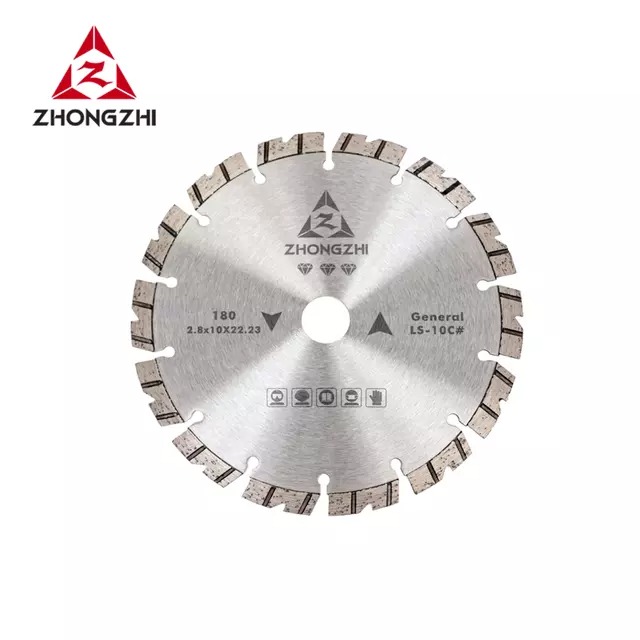
The bond matrix holds the diamond particles in place. Its hardness must correspond to the hardness of the material being cut.
● Hard materials such as granite or fully cured concrete require a softer bond. This allows worn diamonds to release quickly so new sharp diamonds can appear.
● Soft or abrasive materials like asphalt require a harder bond, preventing the diamonds from wearing too quickly.
If the bond does not match the material, the tool may glaze over or wear rapidly.
Not all diamond particles perform the same. Industrial-grade diamonds vary in strength, size consistency, and concentration.
Higher quality diamonds offer several benefits:
● Consistent cutting performance
● Improved resistance to abrasion
● Longer service life under heavy workloads
When contractors select tools designed with optimized diamond concentration, they often experience smoother cutting and fewer tool replacements.
Different blade designs serve different purposes. Choosing the correct design ensures efficient cutting and better heat control.
Blade Type | Primary Use | Key Advantage |
Segmented Blade | Concrete, brick, masonry | Fast cutting and improved cooling |
Turbo Blade | Granite, marble | Faster cutting with smoother edges |
Continuous Rim Blade | Tile, ceramic, glass | Chip-free precision cutting |
Each design balances speed, durability, and finish quality.
Diamond tools must match the machine that drives them. A powerful floor saw requires stronger blades than a handheld angle grinder.
Before purchasing tools, verify:
● Machine horsepower
● Maximum RPM rating
● Blade diameter compatibility
Using mismatched equipment can shorten tool life or reduce cutting efficiency.
For large projects, tool durability becomes a major financial factor. A blade that lasts twice as long can reduce downtime and labor costs.
Contractors often compare tools using cost-per-cut, not just purchase price. Tools with higher durability frequently deliver better long-term value.
Tip: Contractors managing large infrastructure or commercial projects often keep two blade types available—one optimized for speed and another designed for maximum durability.
Construction materials vary widely in hardness, density, and abrasiveness. Selecting the correct Durable Diamond Tools begins with understanding these differences.
Concrete is one of the most common construction materials. Reinforced concrete adds steel bars, increasing cutting difficulty.
Segmented blades are typically used for this application because:
● Segment gaps improve cooling
● They remove debris efficiently
● They handle steel reinforcement better
These features allow the tool to maintain cutting speed even during heavy workloads.
Materials such as granite, marble, sandstone, and travertine require specialized diamond tools. These stones are dense and can quickly dull inferior blades.
Turbo blades and wet core drill bits perform well because they:
● Maintain stable cutting speed
● Reduce edge chipping
● Improve cooling during continuous operation
These characteristics make them suitable for both construction and stone fabrication.
Delicate materials require a different approach. Tile and glass demand precise cutting with minimal surface damage.
Continuous rim blades are ideal for these tasks because they:
● Provide smooth cutting edges
● Minimize vibration
● Prevent chipping along delicate surfaces
Polishing pads are often used afterward to refine the finish and improve surface quality.
Diamond blades are among the most widely used construction tools. They are designed to cut materials such as:
● Concrete
● Asphalt
● Brick
● Natural stone
Their durability depends on both diamond quality and segment design.
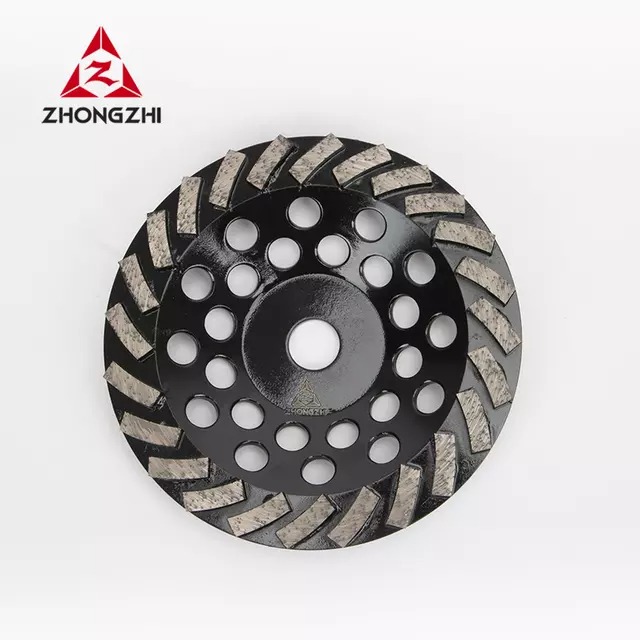
Grinding wheels prepare and shape surfaces before finishing work. Cup wheels are especially common in concrete floor preparation.
They help remove:
● Surface coatings
● Uneven layers
● Rough edges
Grinding improves surface adhesion before applying coatings or finishes.
Core drilling tools create clean circular holes through dense materials. These holes are used for:
● Plumbing installations
● Electrical conduit routing
● Structural anchors
Core bits can operate in wet or dry drilling environments depending on design.
After cutting or grinding, polishing pads refine the material surface. They use different grit levels to gradually smooth the surface.
Applications include:
● Concrete floor polishing
● Stone countertop finishing
● Decorative architectural surfaces
Manufacturers such as Zhongzhi supply a wide range of diamond tools—including blades, grinding wheels, polishing pads, and drilling tools—covering many construction and stone-processing needs.
Blade diameter determines how deep a tool can cut. Larger blades provide deeper cutting capacity but require machines capable of handling their weight and rotational force.
Typical ranges include:
Equipment Type | Typical Blade Size |
Angle Grinder | 100–230 mm |
Handheld Saw | 300–400 mm |
Floor Saw | 350–800 mm |
Wall Saw | Up to 1600 mm |
Selecting the proper size ensures safe and efficient operation.
Machines operate at specific rotational speeds. Diamond blades also have maximum RPM limits.
Before installation, verify:
● RPM compatibility
● Mounting hole diameter
● Arbor size
Improper installation can cause vibration or uneven cutting.
Note: Running a blade at excessive speed may damage the bond matrix and reduce diamond exposure efficiency.
Wet cutting uses water to cool the blade and reduce friction.
Benefits include:
● Lower blade temperature
● Reduced airborne dust
● Longer blade lifespan
Wet cutting is common when working with concrete, stone, or tile in controlled environments.
Dry cutting is often used in locations where water supply is limited.
These blades feature:
● Wider segment spacing
● Improved airflow for cooling
● Reinforced bonding structures
They are commonly used for quick field operations.
Before choosing wet or dry cutting methods, contractors should review a few key job site conditions. These factors affect safety, cutting efficiency, and the lifespan of diamond tools. Checking them early helps teams choose the most suitable cutting approach.
Job Site Factor | What to Check | Why It Matters |
Water Availability | Is there a stable water source on site? | Wet cutting needs water for cooling and dust control. |
Safety Regulations | Are there dust control requirements? | Some sites require wet cutting to reduce dust. |
Workspace Conditions | Is the work indoors or outdoors? | Indoor sites often prefer wet cutting for safety. |
Choosing the correct cutting method based on site conditions helps extend tool life and improve operator safety.
High-quality diamond tools require precise manufacturing techniques. Proper diamond distribution ensures even cutting pressure across the blade.
Manufacturers use specialized equipment to control:
● Diamond placement
● Bond material consistency
● Segment welding strength
These factors directly influence tool lifespan.
Segment geometry affects both cutting speed and cooling efficiency.
Well-designed segments:
● Improve debris removal
● Reduce overheating
● Maintain stable cutting performance
Advanced segment patterns also reduce vibration, improving operator control.
Experienced manufacturers often deliver more reliable tools due to long-term research and development. Companies such as Zhongzhi export diamond tools to markets across Europe, Asia, Africa, and the Middle East, demonstrating consistent production capability and international demand.
First determine the material involved in the project. Examples include:
● Reinforced concrete
● Granite or marble
● Ceramic tile
● Asphalt pavement
Material hardness determines bond type and blade design.
Next identify the task:
● Cutting
● Grinding
● Drilling
● Polishing
Each operation requires a specialized diamond tool.
Choose the tool based on material and task. Examples include:
Task | Recommended Tool |
Concrete cutting | Segmented diamond blade |
Stone cutting | Turbo blade |
Surface grinding | Cup grinding wheel |
Core drilling | Diamond core bit |
Surface finishing | Polishing pad |
Finally confirm the selected tool matches the machine’s:
● Diameter capacity
● Power output
● Operating speed
This final check ensures safe and efficient operation on site.
Tip: Many contractors test new tools on small sections of material first to confirm compatibility before full-scale use.
Selecting the right Durable Diamond Tools greatly improves construction efficiency and project outcomes. Well-chosen tools cut materials more precisely and maintain stable performance during demanding tasks. They also reduce downtime and extend service life, helping teams complete projects faster and more smoothly.
Contractors should carefully review several factors before choosing a tool. Material hardness, bond structure, machine compatibility, and cutting conditions all influence tool durability. When the correct blade or grinding tool matches the job, cutting becomes smoother and long-term operating costs remain lower.
Reliable manufacturers also support consistent results. QuanZhou ZhongZhi New Material Technology Co., Ltd. provides durable diamond tools designed for construction, stone processing, and infrastructure work. Their products deliver strong cutting performance, long service life, and dependable manufacturing quality, helping professionals achieve efficient and stable project operations.
A: Durable Diamond Tools are used for cutting, drilling, grinding, and polishing hard materials such as concrete, stone, asphalt, and tile. They contain industrial diamonds embedded in a metal bond, which allows them to maintain strong cutting performance and long service life during demanding construction work.
A: To select the correct Durable Diamond Tools, first identify the material you are working with. Hard materials like granite require softer bond tools, while softer materials like asphalt need harder bonds. Matching bond type and blade design to the material improves cutting efficiency and tool lifespan.
A: Bond hardness controls how quickly diamonds are exposed during cutting. In Durable Diamond Tools, softer bonds release worn diamonds faster for hard materials, while harder bonds hold diamonds longer when cutting abrasive surfaces. This balance keeps cutting performance stable.
A: Yes, Durable Diamond Tools often provide better long-term value. Although the initial purchase price may be higher, they usually last longer and deliver more cuts per blade. This lowers the cost per cut and reduces tool replacement downtime.
A: These blade designs serve different tasks. Segmented blades cut concrete quickly, turbo blades offer faster and smoother cutting for stone, and continuous rim blades provide precise cuts for tile or glass. Choosing the correct design helps Durable Diamond Tools perform efficiently.
A: Proper operation helps extend the life of Durable Diamond Tools. Always match the blade to the material, check machine RPM compatibility, and use wet cutting when possible to reduce heat. Regular inspection and correct installation also improve durability and safety.