Views: 0 Author: Site Editor Publish Time: 2026-03-10 Origin: Site
Drilling through concrete or granite can quickly damage ordinary tools. Many contractors ask the same question: how do professionals cut clean holes in such hard materials? The answer often lies in Diamond Core Drill Bits, tools designed for precise drilling in demanding environments.
These specialized drill bits use industrial diamonds to cut through materials like concrete, granite, ceramic, and glass. Unlike traditional drill bits, they remove only a thin outer ring of material. The hollow design leaves a cylindrical core that can be extracted easily. This process reduces friction, improves drilling speed, and produces smoother holes.
In this article, we explore everything about Diamond Core Drill Bits. You will learn about their types, common sizes, and key applications across construction and stone fabrication. We will also discuss how to choose the right bit and how to maintain it for reliable performance.
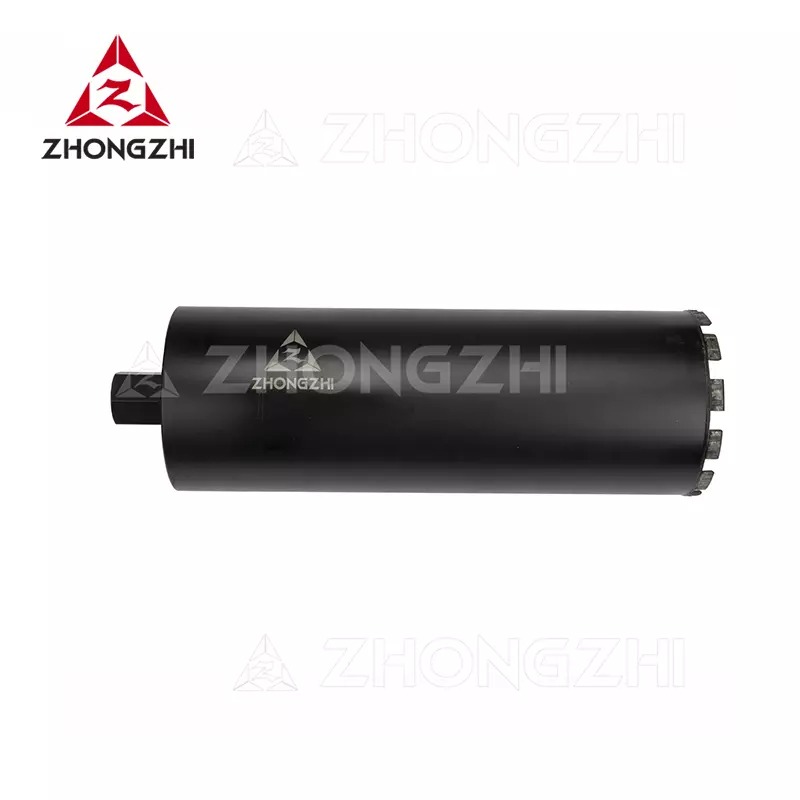
Traditional drill bits remove all material within the hole diameter. This process increases friction, creates more heat, and requires stronger pressure during drilling. Diamond Core Drill Bits operate differently because their structure focuses on efficiency.
They feature a hollow steel tube combined with diamond segments at the tip. When the bit rotates, it cuts only the outer circumference of the hole. The center remains intact as a cylindrical core, which reduces drilling resistance significantly. Because less material is removed, the drilling process becomes faster and smoother.
The structure of a typical diamond core drill bit includes several important components:
Component | Function |
Steel Tube Body | Provides structural strength and stability |
Diamond Segment Edge | Performs cutting through abrasive materials |
Hollow Core Channel | Allows debris removal during drilling |
Mounting Connection | Connects the bit to drilling equipment |
This structure improves drilling stability while maintaining high accuracy. Contractors often prefer it when working on reinforced concrete or dense stone surfaces.
The cutting performance of a core drill bit depends largely on its diamond segments.
These segments contain industrial diamonds embedded in a metal matrix. Diamonds are extremely hard, allowing them to grind through materials that would quickly wear down conventional steel drill bits.
Common materials drilled using diamond core bits include:
● Reinforced concrete
● Granite and marble
● Brick and masonry
● Ceramic and porcelain tile
● Glass and engineered stone
As the bit rotates, exposed diamond particles grind against the surface. The metal bond gradually wears, exposing fresh diamonds. This process maintains consistent cutting ability throughout the bit’s lifespan.
Professionals prefer these tools because they deliver precision, speed, and reliability.
Key advantages include:
● Cleaner hole edges
● Reduced cracking in brittle materials
● Lower drilling pressure
● Higher efficiency in hard surfaces
Another advantage is core extraction. Engineers and geologists often analyze the extracted core to evaluate material composition or structural integrity.
For construction and infrastructure work, this combination of efficiency and accuracy makes diamond core drilling one of the most widely used drilling methods.
Sintered bits are the most durable option for heavy-duty drilling.
They are manufactured by mixing diamond particles with metal powders and sintering them under high temperature and pressure. The resulting segments provide strong wear resistance.
Common uses include:
● Reinforced concrete drilling
● Stone and masonry drilling
● Infrastructure construction
Because diamonds are distributed throughout the segment, these bits maintain cutting ability over a long period.
Vacuum brazed bits feature diamonds directly welded onto the steel body.
This manufacturing method produces extremely sharp cutting surfaces. The exposed diamonds deliver aggressive cutting performance.
Typical applications include:
● Granite drilling
● Hard stone processing
● Tile installation work
These bits are often chosen for faster drilling tasks where speed is important.
Electroplated bits contain a single diamond layer bonded to the surface.
They provide excellent precision and are commonly used for delicate materials such as:
● Glass
● Ceramic
● Thin stone tiles
Because they focus on accuracy rather than durability, they are ideal for specialized drilling tasks.
Diamond core bits can also be classified based on drilling method.
Wet drilling
● Uses water as coolant
● Reduces dust
● Improves bit lifespan
● Provides smoother cutting
Dry drilling
● Requires no water supply
● Convenient for on-site work
● Common for masonry or brick
Segment design also affects drilling performance.
Segment Type | Key Feature | Typical Application |
Segmented | Faster cutting | Concrete and masonry |
Turbo | Improved cooling | Hard stone drilling |
Continuous Rim | Smooth cutting | Tile and ceramic |
Different projects may require different segment structures depending on the material and desired cutting speed.
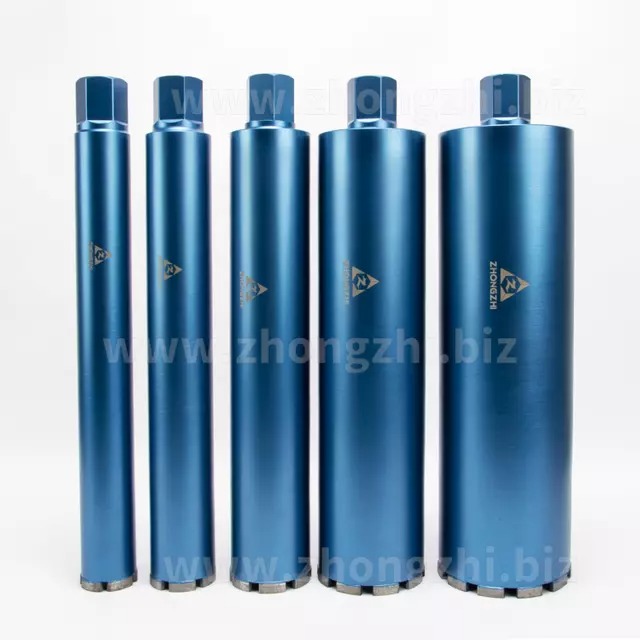
Small bits typically range from 1 mm to several millimeters in diameter.
They are used for detailed work such as:
● Jewelry making
● Glass drilling
● Small decorative projects
Precision is the priority for these applications.
Medium-sized bits commonly range from ¼ inch to 3 inches.
These sizes are widely used in:
● Tile installation
● Countertop fabrication
● Anchor bolt holes
● Plumbing openings
They represent the most frequently used category in construction and interior installation.
Large core bits can reach 24 inches or more.
They are commonly used for:
● HVAC duct openings
● Electrical conduit passages
● Plumbing systems
● Infrastructure drilling
Heavy-duty drilling equipment usually powers these large bits.
Selecting the correct diameter requires evaluating several drilling conditions. Contractors consider hole size, material thickness, and drilling equipment compatibility.
The following table shows typical size selection guidelines:
Hole Requirement | Recommended Bit Range | Common Application |
Precision drilling | 1 mm – 10 mm | Glass or jewelry |
Interior installation | ¼ inch – 3 inches | Tile and anchors |
Structural openings | 3 inches – 24 inches | Plumbing or HVAC |
Tip: Always choose a slightly larger diameter than the installed component. It helps ensure easier alignment during installation.
Different materials require different bit designs.
Material | Recommended Bit Type |
Concrete | Sintered segment |
Granite | Vacuum brazed |
Tile | Continuous rim |
Glass | Electroplated |
Using the correct type improves drilling speed and reduces surface damage.
Bond hardness affects how diamonds wear during drilling.
● Soft bond: Ideal for hard materials such as granite
● Hard bond: Better for abrasive materials such as asphalt
Matching bond type to material ensures consistent cutting performance.
Working conditions also influence tool choice.
Wet drilling is ideal when:
● dust control is required
● long drilling sessions are expected
● material cracking must be minimized
Dry drilling works best when:
● water supply is limited
● quick installation work is needed
Core drilling is widely used in construction.
Typical tasks include:
● installing plumbing pipes
● running electrical conduits
● creating anchor bolt holes
● structural modification work
Because the holes are precise and clean, they reduce additional finishing work.
Stone fabricators rely on diamond core bits for drilling:
● granite countertops
● marble slabs
● porcelain tile surfaces
These materials are brittle. Diamond cutting helps avoid cracks and edge damage.
Core drilling also plays a role in geological exploration.
Engineers extract cylindrical cores from rock layers. These samples allow analysis of:
● mineral composition
● soil strength
● structural stability
Industries such as electronics and ceramics manufacturing require precise drilling in fragile materials.
Diamond core bits allow controlled cutting without damaging the surrounding surface.
Bit diameter determines the correct drilling speed.
General rule:
● Small bits → higher RPM
● Large bits → lower RPM
Too much speed can cause overheating, while low speed reduces cutting efficiency.
Cooling is essential during drilling.
Water helps:
● remove debris slurry
● reduce friction heat
● extend tool life
Continuous water flow improves cutting consistency.
Excessive pressure does not improve drilling speed.
Instead, it can:
● damage diamond segments
● overheat the bit
● reduce tool lifespan
Allow the diamonds to perform the cutting.
Tool quality strongly affects drilling results. Reliable manufacturers invest in segment technology, production precision, and strict quality control.
Companies like Zhongzhi, which focus on diamond tool development and large-scale manufacturing, supply drilling solutions used across construction and stone processing industries worldwide.
Note: Choosing a supplier experienced in diamond tool production can significantly improve drilling consistency and project efficiency.
Proper maintenance keeps drilling tools performing well over time.
After drilling, remove debris and slurry from the bit.
Cleaning prevents buildup that can reduce cutting efficiency.
Simple cleaning steps:
● rinse with water
● remove particles with a soft brush
● allow the bit to dry
Proper storage helps protect the cutting segments and keeps drill bits ready for the next job. If bits are stored carelessly, the diamond edges may be damaged or affected by moisture. Simple storage habits help maintain tool performance and extend service life.
Storage Practice | Why It Matters | Practical Method |
Keep bits dry | Prevents rust and corrosion | Store in a dry cabinet or toolbox |
Use protective cases | Protects diamond segments | Place bits in cases or holders |
Separate drill bits | Avoids segment damage | Use racks or padded slots |
Following these simple steps helps protect drill bits during storage and transport while maintaining their cutting efficiency.
Routine inspection helps detect early wear.
Check for:
● uneven segment wear
● damaged cutting edges
● loose connections
Replacing or servicing worn bits prevents drilling issues during future projects.
Diamond drilling technology continues to support modern construction and manufacturing work. Diamond Core Drill Bits help professionals create clean and accurate holes in hard materials such as concrete, stone, and ceramic. Their hollow structure improves drilling efficiency, reduces resistance, and produces smoother results during demanding drilling tasks.
Understanding bit types, sizes, and applications helps users select the right tool for each project. Proper selection improves drilling speed, accuracy, and overall tool life. Combined with correct drilling speed, cooling methods, and regular maintenance, high-quality core drill bits deliver stable performance across projects ranging from tile installation to large infrastructure work.
Reliable manufacturing also plays an important role in tool performance. QuanZhou ZhongZhi New Material Technology Co., Ltd. focuses on advanced diamond tool production and consistent quality control. Their diamond core drill bits offer durability, precision cutting, and dependable performance, helping contractors and fabricators achieve efficient and professional drilling results.
A: Diamond Core Drill Bits are used to drill precise holes in hard materials such as concrete, granite, ceramic, glass, and stone. Their hollow design removes only the outer ring of material, leaving a cylindrical core. This process improves drilling speed and reduces surface damage, making them widely used in construction, stone fabrication, and infrastructure projects.
A: Diamond Core Drill Bits cut using industrial diamonds embedded in the segment edge. As the drill rotates, the diamonds grind through the material rather than tearing it apart. Because the bit removes only a circular edge, the center core remains intact. This reduces friction and allows smoother drilling.
A: Diamond Core Drill Bits come in a wide range of sizes, from very small diameters used for glass or jewelry work to large diameters used in construction drilling. Small bits may start around a few millimeters, while large industrial core bits can exceed 24 inches for HVAC, plumbing, and structural openings.
A: Wet drilling is recommended when working with hard materials like reinforced concrete or granite because water helps cool the bit and remove debris. Dry drilling works better when water supply is limited or for lighter masonry work. Choosing the correct method helps maintain the performance of Diamond Core Drill Bits.
A: Diamond Core Drill Bits provide cleaner holes, faster cutting, and longer durability when drilling hard materials. Traditional steel drill bits wear quickly when used on stone or concrete. Diamond segments remain sharp for longer periods and produce more precise results.
A: To extend the life of Diamond Core Drill Bits, use proper drilling speed, apply steady pressure, and keep the bit cool during operation. Cleaning the bit after each use and storing it in a dry place also helps maintain cutting performance and prevents premature wear.