How To Choose Diamond Saw Blades For Different Stone Materials (Granite/Marble/Sandstone)
Views: 0 Author: Site Editor Publish Time: 2026-03-06 Origin: Site


Introduction
Have you ever noticed how the same blade cuts granite easily but struggles with marble or sandstone? Many professionals face this problem when selecting a Diamond Saw Blade. The wrong blade can slow cutting, damage stone edges, and shorten tool life.
Natural stones behave very differently during cutting. Granite is dense and generates heat quickly. Marble cuts smoothly but chips easily along edges. Sandstone creates heavy abrasive dust during processing. Because of these differences, one blade rarely works well for every stone.
In this article, we will explore how to choose the right Diamond Saw Blade for granite, marble, and sandstone. You will learn how material properties influence blade performance. We will also explain key factors like bond hardness, rim design, and diamond concentration so you can select the best blade for your cutting work.
How Material Properties Affect Diamond Saw Blade Selection
Stone Hardness and Density
Stone hardness determines how quickly diamonds on the blade wear down. Dense materials such as granite resist cutting and place greater stress on the blade. To maintain cutting efficiency, blades used for hard materials require bonds that release worn diamonds quickly and expose new cutting edges.
Softer stones like marble do not wear diamonds as aggressively. Instead, the priority becomes maintaining control and achieving clean cuts. In these cases, a blade designed for smooth cutting performs better.
Simply put:
● Hard stones → faster diamond wear
● Soft stones → greater risk of chipping
Matching blade bond hardness to the stone helps maintain cutting efficiency.
Abrasiveness of the Stone
Some stones contain minerals that behave like sandpaper during cutting. Sandstone, for instance, generates large amounts of abrasive dust and slurry. This debris continuously wears the blade surface.
Because of this, sandstone cutting requires a Diamond Saw Blade designed with:
● durable bond structures
● wider segment gaps
● strong debris removal capability
Without these features, the blade can wear too quickly.
Risk of Edge Chipping and Surface Finish
Marble and other decorative stones often require precise finishing. When cutting countertops, wall panels, or polished tiles, clean edges matter.
A blade designed for aggressive cutting may leave rough edges or chips on fragile stone surfaces. Therefore, a smoother rim design helps reduce vibration and protect the material.
Heat Generation During Cutting
Cutting dense stone produces heat from friction between the blade and the material. Excess heat can reduce cutting efficiency and affect blade durability.
Blade designs that support airflow or allow water cooling help manage heat buildup. Segment spacing, rim shape, and cooling methods all influence temperature control during cutting.
Note: High temperatures during cutting often indicate the blade bond does not match the material hardness.

Diamond Saw Blade Types Used for Cutting Natural Stone
Segmented Rim Diamond Saw Blade
Segmented blades feature individual cutting segments separated by gaps. These gaps allow better airflow and help remove debris during cutting.
Key characteristics:
● Fast cutting speed
● Effective heat dissipation
● Strong performance on dense materials
Segmented blades are commonly used for cutting granite, concrete, and other heavy materials.
Turbo Rim Diamond Saw Blade
Turbo blades feature a serrated rim pattern that improves cutting speed while maintaining smoother performance than segmented designs.
Benefits include:
● Balanced cutting speed and finish quality
● Reduced vibration during operation
● Suitable for both wet and dry cutting
Turbo blades are often used when operators want both efficiency and relatively smooth cuts.
Continuous Rim Diamond Saw Blade
Continuous rim blades feature a smooth, uninterrupted cutting edge. Instead of aggressive cutting, the blade glides through the material gradually.
Because of this design, continuous rim blades minimize vibration and produce extremely clean cuts. They are commonly used in decorative stone fabrication.
Typical applications include marble tiles, ceramic materials, and delicate stone panels where edge quality is critical.
Blade Type | Rim Design | Typical Application | Cutting Characteristics |
Segmented | Individual segments | Granite, concrete | Fast cutting, strong cooling |
Turbo | Serrated rim | Natural stone tiles | Balanced speed and smoothness |
Continuous | Smooth rim | Marble, ceramic | Clean edges, minimal vibration |
They are widely used for marble, ceramic tiles, and precision stone fabrication.
Choosing the Right Diamond Saw Blade
Best Diamond Saw Blade for Granite (Hard & Dense Stone)
Granite is one of the hardest natural stones used in construction and decoration. Its dense structure produces significant resistance during cutting.
The most suitable blades for granite include:
● Segmented rim blades
● Turbo rim blades
These blades typically use soft bond structures. A softer bond releases worn diamonds quickly, exposing new cutting surfaces. This helps maintain cutting efficiency when working with very hard materials.
Granite blades also often feature higher diamond concentration to support durability during long cutting sessions.
Best Diamond Saw Blade for Marble (Smooth and Precise Cutting)
Marble behaves differently from granite. It is softer but more fragile. When cutting marble, preventing edge chipping becomes the main priority.
The recommended blade type is:
● Continuous rim Diamond Saw Blade
These blades usually use hard bond structures, which slow down diamond exposure and provide smoother cutting action. This design produces cleaner edges and better surface quality.
Marble blades are widely used in applications such as:
● kitchen countertops
● decorative wall panels
● polished stone tiles
Best Diamond Saw Blade for Sandstone (Abrasive Material)
Sandstone is moderately hard but extremely abrasive. The cutting process produces large volumes of dust and slurry.
For this reason, sandstone blades usually include:
● Segmented rim designs
● medium bond structures
● wide gullets for debris removal
These features help maintain cutting performance while preventing excessive blade wear.
Quick Comparison Table for Stone-Specific Blade Selection
Stone Type | Recommended Blade Type | Bond Hardness | Key Performance Feature |
Granite | Turbo / Segmented | Soft Bond | Heat resistance and cutting speed |
Marble | Continuous Rim | Hard Bond | Smooth, chip-free cuts |
Sandstone | Segmented | Medium Bond | Efficient debris removal |
Manufacturers such as Zhongzhi produce diamond tools designed specifically for these materials. Their product range includes diamond single saw blades, multi-saw blades, and gang saw blades used in stone factories and processing plants.
Tip: When cutting multiple stone types in one project, choose a blade designed for the hardest material involved.
Key Technical Features to Evaluate When Buying a Diamond Saw Blade
Diamond Concentration
Diamond concentration refers to the amount of diamond particles embedded in the blade segments.
Higher concentration usually means:
● longer blade life
● faster cutting efficiency
● improved durability on hard materials
Granite cutting blades often contain higher diamond concentrations than blades designed for softer stones.
Segment Height
Segment height determines how deep the blade can cut and how long it can operate before replacement.
Typical segment heights include:
● 10 mm – light applications
● 12–15 mm – standard stone cutting
● 15–20 mm – heavy industrial cutting
Taller segments generally provide longer service life.
Blade Diameter and Tool Compatibility
Blade size must match the equipment being used. Common blade diameters include:
Tool Type | Common Blade Size |
Angle grinder | 4" – 5" |
Handheld saw | 7" |
Tile saw | 10" |
Bridge saw | 12" – 14" |
Using the correct blade size improves stability and safety during cutting.
Blade Core Strength and Stability
The steel core of the blade supports the diamond segments and maintains balance during rotation.
High-quality blade cores provide:
● reduced vibration
● improved cutting accuracy
● longer blade lifespan
Professional manufacturers invest heavily in core design to ensure stability during high-speed cutting.
Wet vs Dry Cutting with Diamond Saw Blades
Advantages of Wet Cutting for Stone Materials
Wet cutting uses water to cool the blade and flush away dust. This method offers several advantages:
● reduced heat buildup
● improved blade lifespan
● cleaner cutting surface
● reduced dust exposure
Most stone processing factories rely heavily on wet cutting systems.
When Dry Cutting Diamond Saw Blades Are Suitable
Dry cutting blades are designed to operate without water. They are useful when:
● working outdoors
● performing quick installations
● cutting small stone sections
These blades usually feature segmented rims to allow better airflow.
Choosing the Correct Blade Based on Cutting Method
Not every blade works for both cutting styles. Some blades require water cooling, especially continuous rim designs used for marble and tile.
Operators should always confirm whether a blade supports:
● wet cutting
● dry cutting
● dual-purpose use
Selecting the correct type prevents overheating and improves cutting performance.
Matching Diamond Saw Blade Selection with Project Type
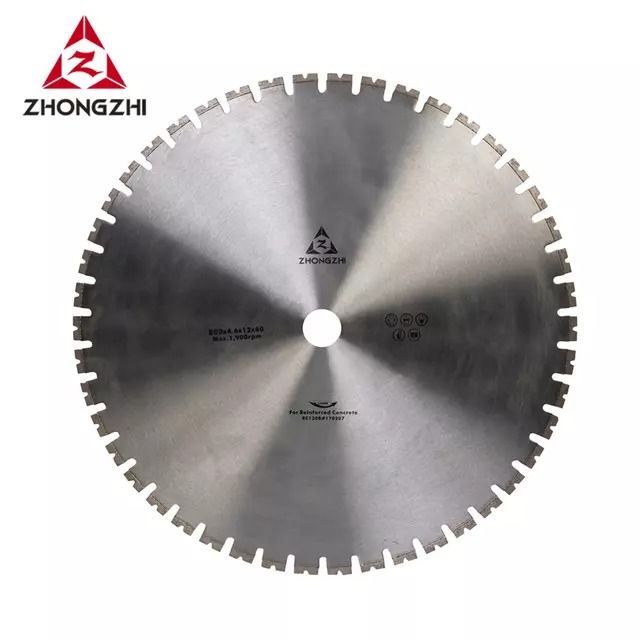
Different stone projects require different cutting priorities. Some jobs focus on surface quality and precision. Others require high efficiency and continuous cutting power. The type of project often determines which Diamond Saw Blade design performs best. By understanding the cutting environment and equipment used, operators can select blades that deliver both performance and durability.
Project Type | Main Cutting Goal | Recommended Diamond Saw Blade Type | Typical Equipment | Application Example |
Stone Fabrication Projects (Countertops and Slabs) | Achieve smooth edges and high visual quality | Continuous rim blades, precision turbo blades | Bridge saws, tile saws | Kitchen countertops, decorative panels, polished stone slabs |
Construction and Masonry Applications | Prioritize efficiency, durability, and fast cutting | Segmented Diamond Saw Blades | Angle grinders, handheld masonry saws, floor saws | Cutting paving stones, masonry blocks, building materials |
Industrial Stone Processing | Maintain high productivity and continuous large-scale cutting | Large-diameter industrial Diamond Saw Blades, multi-saw blades, gang saw blades | Bridge saw systems, multi-saw machines, gang saw equipment | Stone block processing, slab production, factory-scale stone cutting |
Companies like Zhongzhi manufacture industrial diamond tools specifically designed for these machines, including large-diameter saw blades used in high-volume stone production.
Conclusion
Choosing the right Diamond Saw Blade begins by understanding both the stone material and the blade structure. Granite, marble, and sandstone each create different cutting conditions. Granite requires blades built for extreme hardness and strong heat resistance. Marble needs smoother cutting edges to reduce chipping. Sandstone demands durable blades that resist constant abrasive wear during cutting.
Several factors guide proper blade selection. Rim design influences cutting speed and surface quality. Bond hardness controls how quickly new diamonds appear. Diamond concentration affects durability and efficiency. Cooling method and tool compatibility also shape cutting performance. When these elements match the material and equipment, cutting becomes faster, cleaner, and more stable.
Reliable tools further improve productivity in stone processing. QuanZhou ZhongZhi New Material Technology Co., Ltd. develops specialized diamond tools designed for different stone materials. Their blades provide stable cutting, strong durability, and consistent performance, helping operators achieve efficient and professional stone processing results.
FAQ
Q: What is a Diamond Saw Blade and why is it used for stone cutting?
A: A Diamond Saw Blade is a cutting tool that uses industrial diamonds embedded in its edge. These diamonds grind through hard materials such as granite, marble, and sandstone. Because diamonds are extremely hard, the blade can cut dense stone efficiently while maintaining durability and cutting precision.
Q: How do I choose the right Diamond Saw Blade for granite?
A: Granite is very dense and generates heat during cutting. A Diamond Saw Blade for granite usually uses a segmented or turbo rim and a soft bond. This structure exposes new diamonds quickly and improves cutting speed while preventing the blade from becoming dull.
Q: Why is a continuous rim Diamond Saw Blade recommended for marble?
A: Marble is softer than granite but more prone to chipping. A continuous rim Diamond Saw Blade provides smoother contact with the stone surface. It reduces vibration and produces clean edges, which is important for decorative stone work and countertop fabrication.
Q: Can the same Diamond Saw Blade cut granite, marble, and sandstone?
A: One Diamond Saw Blade can sometimes cut multiple stones, but it may not deliver the best performance. Granite needs aggressive cutting power, marble requires smooth edges, and sandstone creates abrasive debris. Choosing a blade designed for each material improves efficiency and blade life.
Q: What factors affect the performance of a Diamond Saw Blade?
A: Several elements influence performance. These include rim design, bond hardness, diamond concentration, cooling method, and blade diameter. When these features match the stone material and equipment, the Diamond Saw Blade cuts faster and lasts longer.
Q: Is wet cutting better than dry cutting for a Diamond Saw Blade?
A: Wet cutting usually improves the performance of a Diamond Saw Blade. Water cools the blade and removes dust from the cutting path. This helps reduce heat buildup and increases blade lifespan, especially when cutting dense stones like granite.