
Views: 0 Author: Site Editor Publish Time: 2026-03-20 Origin: Site
Concrete looks solid and simple. Cutting it is another story. Contractors often face a tough question on the jobsite: Should we use a Diamond Wire Saw or a circular saw blade? The choice affects cutting speed, safety, and the final project result.
Both tools rely on diamond cutting technology. It grinds through extremely hard materials such as reinforced concrete and stone. Yet their cutting methods differ greatly. A Diamond Wire Saw uses a flexible cable embedded with diamond beads. A circular saw blade uses a rotating steel disc fitted with diamond segments.
Each tool performs best in different situations. Concrete thickness, site access, and project scale all influence the decision. In this article, we will explore the differences between these tools. You will learn when a Diamond Wire Saw works best, when circular blades perform better, and how professionals choose the right solution for concrete cutting projects.
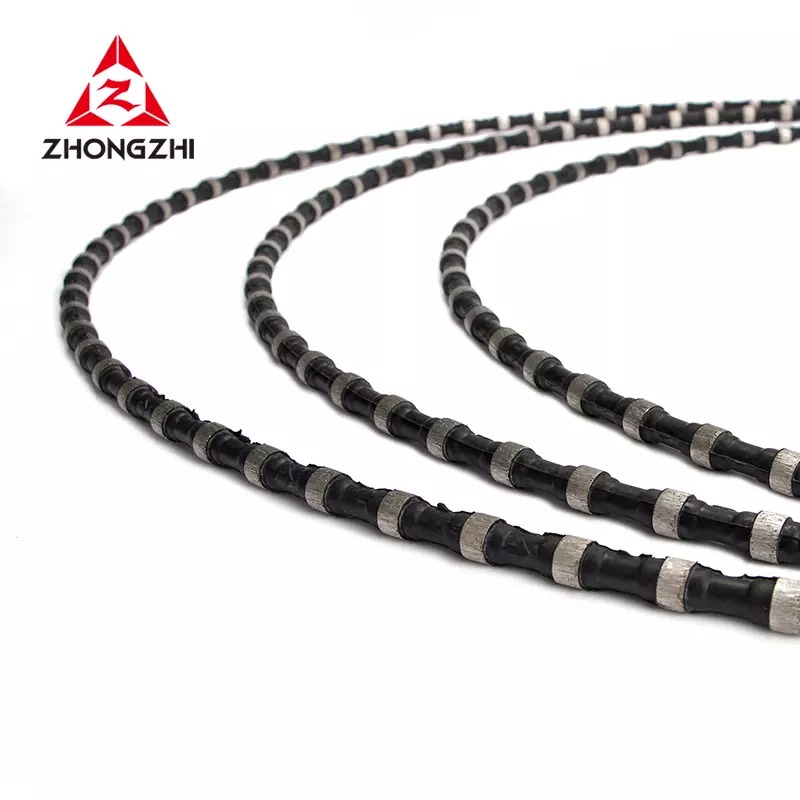
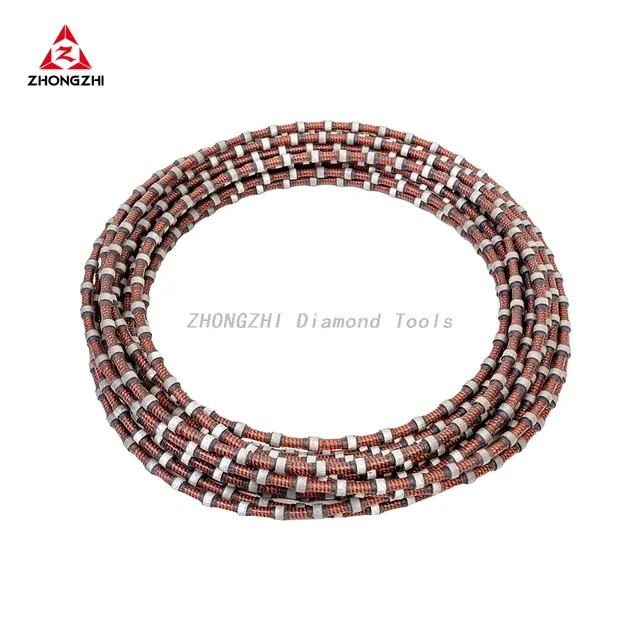
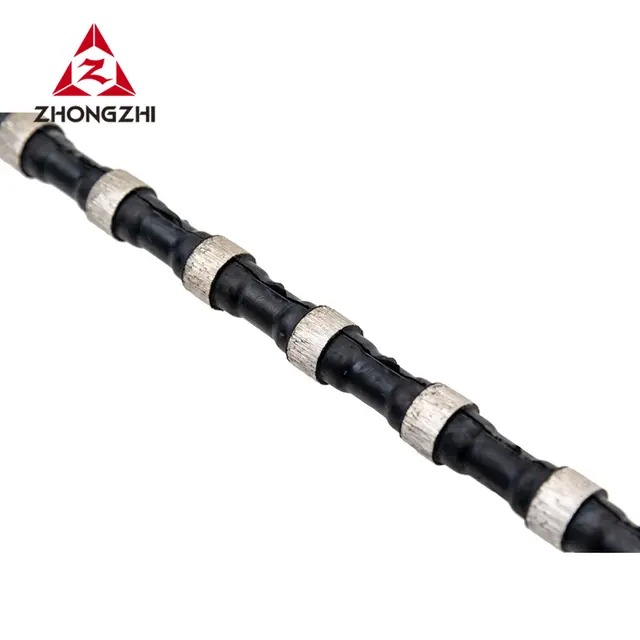
A Diamond Wire Saw operates using a continuous steel cable embedded with diamond beads. The cable loops around the structure to be cut and moves at high speed along a system of pulleys. As the wire moves, the diamond beads grind through the concrete.
This cutting process works well for large structural elements such as bridge supports, foundations, and reinforced walls. The wire does not rely on blade diameter, which allows it to cut extremely thick sections.
Key characteristics of diamond wire cutting:
● Flexible cutting direction
● Ability to wrap around structures
● Suitable for heavy reinforced concrete
● Minimal structural vibration
Because the wire moves gradually through the material, it allows controlled removal of large concrete blocks without damaging surrounding areas.
A circular saw blade uses a rigid steel disc fitted with diamond segments around the edge. When the blade rotates at high speed, these diamond segments grind into the concrete surface.
Circular saw blades are often mounted on handheld saws, floor saws, or wall saws. They are widely used for surface cutting and medium-depth operations.
Typical applications include:
● Cutting concrete slabs
● Road and pavement repairs
● Trimming concrete blocks or pavers
● Creating straight openings in walls or floors
Circular blades are easy to operate and require minimal setup, making them ideal for fast, straightforward tasks.
The main difference lies in how the tools interact with the concrete structure.
Feature | Diamond Wire Saw | Circular Saw Blade |
Cutting method | Flexible wire loops around structure | Rotating blade cuts from surface |
Cutting depth | Nearly unlimited | Limited by blade diameter |
Ideal environment | Large structural cutting | Open, accessible areas |
Setup complexity | Higher | Lower |
Precision on large structures | Excellent | Moderate |
The Diamond Wire Saw offers greater adaptability for complex projects. The circular blade, however, performs very well in standard cutting conditions.
Concrete is extremely abrasive. Reinforced concrete adds another challenge because it contains steel rebar.
Diamond cutting tools solve this problem. The synthetic diamonds embedded in wires or blade segments grind away the concrete surface instead of tearing it apart.
Benefits of diamond tools include:
● High durability
● Consistent cutting speed
● Smooth cutting surfaces
● Reduced heat buildup
These advantages explain why diamond tools dominate modern concrete cutting operations.
Concrete structures in infrastructure projects often exceed the cutting capacity of standard blades. Bridge piers, dam walls, and large foundations can be several feet thick.
A Diamond Wire Saw handles these conditions easily. Because the wire wraps around the structure, its cutting depth is not limited by blade size.
This capability makes it the preferred solution for heavy structural demolition.
Construction projects sometimes require removing curved sections or cutting irregular shapes. A rigid circular blade struggles in these situations.
Diamond wire saws offer greater flexibility. The wire can be positioned at different angles and adjusted around complex structures.
This flexibility allows engineers to:
● Cut circular or curved shapes
● Separate large concrete blocks
● Perform controlled dismantling
Urban renovation projects often involve cutting concrete near existing buildings, utilities, or foundations.
Diamond wire cutting produces lower vibration compared with rotating saw blades. Reduced vibration protects nearby structures and improves jobsite safety.
This makes wire sawing ideal for:
● Hospital renovations
● Historic building restoration
● Dense urban demolition projects
Depth is often the deciding factor in tool selection. Circular blades typically cut only several inches or a few feet depending on equipment size.
Diamond wire saws allow much deeper cutting operations.
Cutting Requirement | Preferred Tool |
Surface slab cutting | Circular blade |
Medium structural cutting | Wall saw |
Extremely thick concrete | Diamond Wire Saw |
Note: Deep reinforced concrete structures usually require wire sawing because standard blades cannot reach full depth safely.
Circular saw blades perform best on flat concrete surfaces.
They are commonly used for:
● Sidewalk cutting
● Pavement repair
● Road expansion joints
● Concrete floor modifications
In these situations, speed and mobility matter more than extreme cutting depth.
Many construction jobs require quick cuts rather than large structural removal.
Circular saw blades offer several advantages:
● Portable equipment
● Faster setup
● Lower operating complexity
Contractors can complete smaller tasks without bringing large wire-saw equipment to the site.
Circular blades excel when the cutting path is simple and accessible. For example:
● Cutting expansion joints
● Creating door openings in concrete walls
● Adjusting concrete block sizes
These tasks require precision and speed, both of which circular blades provide.
Tip: For jobs involving thin slabs or pavers, a diamond circular blade often delivers the most efficient solution.
Choosing between tools becomes easier when comparing their performance across key factors.
Tool | Depth Capability |
Diamond Wire Saw | Extremely deep cutting |
Circular Saw Blade | Moderate depth |
Depth limitations are often the deciding factor. When the concrete becomes thick, wire sawing usually takes over.
Diamond wire saws provide excellent control during large structural removal.
Circular blades perform better when the goal is straight, clean surface cuts.
Circular blades remove material quickly on small jobs. Setup takes minutes.
Diamond wire saws require more preparation. However, they work more effectively on large structural sections.
Vibration affects surrounding structures and worker safety.
Diamond wire sawing generally produces lower vibration levels. This feature makes it suitable for sensitive demolition projects.
Contractors often follow a simple decision rule:
● Small repairs → circular saw blade
● Surface pavement cutting → circular saw blade
● Large demolition → Diamond Wire Saw
● Thick structural removal → Diamond Wire Saw
This guideline simplifies equipment planning during project preparation.
Contractors usually evaluate several practical factors before selecting equipment.
Concrete thickness strongly influences tool choice.
● Thin to medium sections → circular blade
● Extremely thick sections → Diamond Wire Saw
Equipment access also matters.
Circular saws require direct surface access. If the structure is hard to reach, wire sawing may provide a better solution.
Structural demolition projects require careful separation of concrete sections.
Wire sawing provides greater control in these situations.
Circular blades remain effective for simple structural adjustments.
Tool performance depends heavily on equipment quality. Reliable manufacturers ensure consistent cutting efficiency and longer tool life.
Companies such as Zhongzhi produce a wide range of diamond cutting tools including diamond wires, concrete saw blades, floor saws, and wall saw systems. These tools support infrastructure, construction, and stone processing industries worldwide.
Tip: When selecting diamond cutting tools, prioritize suppliers that offer both manufacturing expertise and technical support.
Many large construction projects do not rely on a single cutting method. Instead, contractors combine both tools.
Circular saw blades are often used to create initial entry cuts.
These cuts open the concrete surface and prepare the structure for deeper separation.
Once the initial cuts are made, the Diamond Wire Saw completes the deeper structural cutting.
This method allows precise removal of large sections without damaging surrounding areas.
Combining both tools provides several benefits:
Hybrid Strategy Benefit | Result |
Surface preparation speed | Faster workflow |
Deep cutting capability | Handles large structures |
Reduced equipment strain | Longer tool life |
Using both technologies often improves productivity while maintaining cutting precision.
Concrete cutting tools differ in design, strength, and application. The right choice depends on project scale, concrete thickness, and jobsite access. Circular saw blades perform well for shallow cuts and surface work. They offer fast setup, strong mobility, and efficient performance for smaller construction tasks. A Diamond Wire Saw, however, excels in heavy structural cutting. It handles thick reinforced concrete and complex demolition environments where precision and flexibility matter.
Many contractors combine both tools during large projects. Circular blades prepare surface cuts, while wire saws complete deep structural separation. This approach improves efficiency and control on demanding jobs. Reliable equipment also plays a key role in performance. QuanZhou ZhongZhi New Material Technology Co., Ltd. provides advanced diamond wires, concrete saw blades, and related cutting tools designed for durability, precision, and consistent results in global construction and infrastructure projects.
A: A Diamond Wire Saw is used to cut thick or heavily reinforced concrete structures. It works by moving a diamond-beaded cable around the material, gradually grinding through it. This method is ideal for large demolition projects, bridge components, and deep structural cuts where standard blades cannot reach.
A: A Diamond Wire Saw is the better choice when concrete sections are very thick or difficult to access. It also works well for projects that require precise structural removal or minimal vibration near sensitive buildings.
A: Yes. A Diamond Wire Saw can cut extremely deep concrete sections because the wire wraps around the structure. A circular saw blade, however, is limited by the diameter of the blade, which restricts cutting depth.
A: Yes. Circular saw blades are often more practical for shallow cuts, pavement work, and concrete slabs. They are easier to transport, quicker to set up, and ideal for straightforward cutting tasks.
A: A Diamond Wire Saw is widely used in demolition because it can separate large concrete structures safely and precisely. It also produces lower vibration compared with rotating saw blades.