The Complete Guide to Core Drill Bit Types
Views: 0 Author: Site Editor Publish Time: 2026-09-24 Origin: Site


The main types of core drill bits are diamond and carbide. Pick carbide or diamond based on the material: carbide for masonry, diamond for concrete. Wet core drill bits use water for concrete; dry core drill bits use air for brick. Diamond core drill bits are fast on concrete; carbide core drill bits cost less. Learn the basics of core drilling to choose the right core bit. Use a core drill. Line up the core drill. Start the core drill slowly. Good core drilling needs a steady speed. This core bit must match your core drilling tools. For concrete, choose core drill bits for concrete. Another core drill bits for concrete choice is a segmented rim. Also choose core drill bits for concrete aggregate. A wrong core drill bit damages materials. Concrete jobs include drilling for anchors. Concrete density and durability affect bit wear. Choose a core bit based on concrete hardness.
Key Takeaways
Core drill bits come in two main types: diamond for hard materials like concrete and carbide for masonry and tile.
Wet drilling uses water for cooling and dust control. It works best on reinforced concrete and large holes.
Dry drilling uses air for cooling. It works on soft brick, block, and tile without water.
Match bond hardness to material. Use a soft bond for hard concrete and a hard bond for soft concrete.
Select the right diameter, thread, and barrel depth for your project. Check your drill spindle before buying.
Maintain your core drill bits. Clean them after each job and inspect segments for wear. Store them in a dry case.
Diamond Core Bits
Diamond core bits are the best pick for hard materials like concrete, stone, and granite. These tools cut fast and last through heavy use. You will see them on job sites that need speed and precision.
How Diamond Core Bits Cut
Diamond Segments and Cutting Action
Every diamond core bit has industrial-grade diamond segments built into its cutting teeth. The diamond is so hard that the spinning bit can grind through tough material. Instead of turning the whole area into dust, the bit cuts out a cylinder-shaped plug. This makes clean, exact holes with very little damage and no cracking or chipping at the edges.
Industrial-grade diamonds set in the cutting teeth let the spinning core bit make clean cuts.
For reinforced concrete, rebar-rated core drill bits are made to cut through steel bars inside the concrete without stalling or ruining the diamond segments. Regular bits can get damaged if they hit rebar by surprise. Always check your project for rebar before you begin.
Bond Hardness Explained
Bond hardness decides how the diamond segments wear down. A soft bond works well for hard materials. The bond wears away fast and reveals fresh diamonds as you cut. A hard bond works well for soft materials. It holds the diamonds in place longer and stops them from being lost too soon. Match the bond to the material and your diamond bit will last much longer.
Wet and Dry Diamond Variants
Wet Drilling for Reinforced Concrete
Wet core drilling works better than dry drilling. Water lubrication helps loosen the material surface and pushes the bit through the core faster. It leaves a cleaner, more stable hole surface by cutting down dust. Wet-running diamond core drill bits usually last longer than dry-running bits because water acts as a coolant for the heat made during drilling.
Wet diamond core drill bits are cutting tools made for hard materials such as concrete, reinforced concrete, brick, block, and masonry. They are made of a steel tube with diamond segments on the cutting edge. Water cools the cutting area and washes away debris, which helps the drilling process stay clean and exact. Uses include installing electrical conduit, plumbing work, running piping in masonry, air conditioning and refrigeration work, and cutting into ceilings, walls, and floors.
Dry Drilling for Softer Materials
Dry diamond drilling is helpful in indoor or vertical spaces where using water would be messy or unsafe. It can work well on soft brick or ceramic tiles, though it is less effective on dense stone or concrete. Specially designed dry diamond bits have slots or vents to get rid of heat more effectively. Modern dry diamond drill bits may use air-cooled slots and vacuum brazed diamond tips to improve heat resistance and extend service life. Dry drilling may cause faster wear, but these design features help make up for that limitation.
Electroplated diamond core drills are perfect for smaller jobs and softer stone materials. They suit fabricators, installers, and homeowners. They are one of the few diamond core drill types that can be run dry in certain applications. Their design has a high diamond concentration, which supports faster and freer drilling with minimal heat buildup. Even though they are less durable than metal-bonded drills and are the least expensive option, they are also more forgiving and can better handle operator error.
Hollow Core Diamond Drills
Cylindrical Core Removal
Core drilling is the process of removing a cylinder of material using a hollow cylindrical drill. Core drills are useful not only to cut a hole in material, but also in extracting material so that it can be examined.
A hollow core diamond drill removes a solid cylinder of material instead of grinding the whole hole into dust. You can pull that core out and inspect it. This feature makes hollow core drills valuable for testing and analysis.
Clean, Precise Hole Results
Hollow core diamond drills give results that solid bits cannot match. The table below shows the main advantages.
Advantage | Description |
|---|---|
Precision | Produces clean, perfectly round holes consistently |
Versatility | Works for horizontal, vertical, and angled drilling |
Speed | Faster than traditional drilling methods |
Clean Cuts | Reduces dust and debris for a neater workspace |
Structural Integrity | Maintains the strength of the surrounding material |
Minimal Disruption | Low vibration and noise, suitable for sensitive environments like hospitals, schools, and offices |
Ability to Cut Tough Materials | Cuts through reinforced concrete, masonry, and asphalt without damaging surrounding structures |
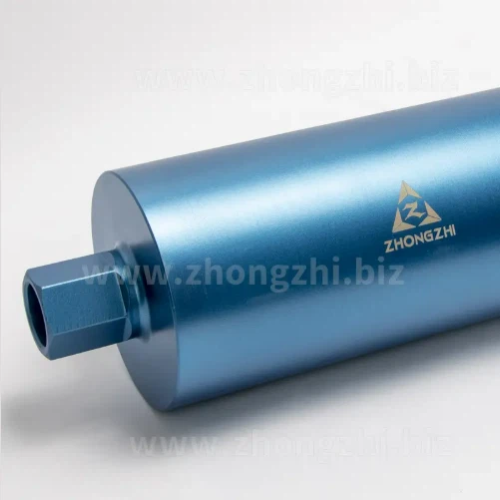
Quality matters when you pick these tools. QuanZhou ZhongZhi, established in 1989, brings over 37 years of experience in diamond tool R&D and manufacturing. The company's management concept, "Quality makes success, Service creates future," reflects the standard you should expect from any diamond core drill product you buy. Their diamond core drill line shows how a well-made core bit can handle demanding jobs.
Carbide Core Drill Bits
Carbide core drill bits work on materials that would quickly make regular steel bits dull. You use these core drill bits for masonry, brick, block, and tile. They do not work well on hard concrete. For that job, you need diamond core drill bits for concrete. But for softer materials, these bits are a dependable and low-cost choice. This kind of core drill bit gives you good results when you match it to the right material.
Composition and Cutting Action
Tungsten Carbide Teeth
Each carbide core drill bit has teeth made from tungsten carbide. This material is one of the hardest used for cutting tools. The teeth stay sharp even after repeated use on brick and block. The steel body holds the carbide teeth and moves power from your drill. This core bit gives steady results without getting too hot too fast. You get clean holes when you use a sharp core drill the right way. Hard teeth plus a strong body make these bits tough for masonry work.
Pulverizing vs. Cutting
Core drill bits with carbide teeth do not slice through material like a blade. Instead, they crush the material in their path. The spinning teeth break and chip away at the surface. This works well on brittle materials like brick and glazed tile. The bit turns the material into fine dust. You need to handle this dust during your project. A vacuum attachment helps keep your workspace clean. Knowing how this works helps you pick the right tool for each job.
Formation Types for Carbide Bits
Soft Formation Bits
Manufacturers make soft formation bits for materials that are easy to cut. You use these bits on green concrete, soft brick, and low-density block. The carbide teeth are spaced wider apart and set at a sharper angle. This setup lets the bit remove material fast without clogging. You get faster core drilling in soft conditions. These bits give you the best value for light-duty work.
Medium Formation Bits
Medium formation bits handle harder and more abrasive rock formations. Each bit has tungsten carbide inserts made for better wear resistance. The drilling works by crushing and chipping. It focuses pressure to break brittle rock. You use these bits on materials like granite and quartzite. The tungsten carbide inserts give the hardness these tough conditions need. You get longer bit life and steady performance. This core drill bit type works well in medium-hard materials.
Hard and Abrasive Formation Bits
Hard formation bits give you great strength for the toughest jobs. The tungsten carbide keeps razor-sharp cutting edges even under high pressure. These bits also hold their shape very well. They stay the same shape after long use. Heat resistance and corrosion resistance let them work well at higher temperatures. You can use these bits in tough applications where other bits would fail. The long lifespan makes them great for heavy-duty work in abrasive formations. This core drill gives steady results in extreme conditions.
Best Applications and Limits
Ideal for Masonry and Tile
Carbide core drill bits do best in certain jobs on masonry and tile. You use them for wall plugs and light fixings in the 6 to 12 mm range. Shelves, curtain rods, and frames need holes from 8 to 20 mm. Electrical boxes need larger holes around 68 to 72 mm. Thin pipes and cables fit through holes from 16 to 25 mm. You can drill brick, aerated concrete, and lightweight concrete with diameters from 20 to 35 mm. For tile work, a carbide-tipped bit works best on glazed ceramic tiles. The hard glaze on bathroom tiles stops regular twist-drill bits. Carbide bits cut through this tough surface with ease. You can use them for shallow holes, and many experts prefer them for deeper holes too. These uses show why these core drill bits stay popular for construction work.
Slower Speed and Shorter Lifespan
These core drill bits have clear limits. In hard and reinforced concrete, carbide core drill bits wear out fast. The hole quality drops as the bit gets dull. You get slower cutting speed compared to diamond core drill bits for concrete. The lifespan in abrasive materials is less than what diamond tools offer. If you need to drill reinforced concrete often, you should choose diamond core drill bits for concrete instead of carbide. The lower cost of carbide bits only makes sense for softer materials where diamond would be too much. You need to match each core bit to the material to get the best value. Knowing these limits helps you avoid wasting time and money on the wrong tool.
Types of Core Drill Bits for Concrete
Drilling into concrete requires the right tool. You can't just use any bit and hope for good results. The best core drill bits for concrete must fit the hardness of the material, whether rebar is present, and your drilling method. This section brings together diamond bits, bond selection, and wet versus dry choices. That way you can pick the best core drill bits for concrete with confidence.
Diamond Bits for Reinforced Concrete
Handling Rebar and Hard Aggregates
Coring reinforced concrete brings special challenges. Steel rebar inside the concrete can ruin a standard bit. You need heavy-duty segmented diamond core drill bits for this job. These bits use coarse grit and a medium bond to cut through both concrete and steel. The best core drill bits for concrete with rebar run wet only. This keeps the bit cool and washes out metal pieces. A good structural diamond core bit will last about 8 to 12 holes per 100mm of drilling depth. That lifespan makes the best core drill bits for concrete a smart buy for repeated jobs.
Wet vs. Dry Concrete Drilling
When Water Cooling Is Required
Wet concrete core drilling is the normal choice for reinforced concrete, large-diameter holes, deep holes, and high-strength concrete. Water cools the bit and controls dust on its own. The best core drill bits for concrete in these conditions run wet. You also need more power, more downforce, and a much slower linear speed. A wet coring motor handles this work. For electrical boxes and installation holes inside buildings, dry drilling is preferred. Water near live wiring is a safety hazard.
When Dry Drilling Works
Dry concrete drilling works for standard concrete without dense reinforcement, small diameters, limited depth, and soft or medium brick. You need a vacuum cleaner to control dust. A soft percussion function helps dry drilling work better. Standard dry drilling motors and bits are not suitable for reinforced concrete. The table below sums up the key differences.
Criterion | Dry Drilling | Wet Drilling |
|---|---|---|
Reinforced concrete | Not recommended | Standard |
Large diameters and deep holes | Not suitable | Technological standard |
High-strength concrete | Not recommended | Required |
Tool lifespan | Shorter | Longer |
Dust control | Requires vacuum | Natural |
Matching Bit to Concrete Hardness
Soft Bond for Hard Concrete
Hard concrete wears down diamond segments fast. A soft bond fixes this problem. The bond wears away quickly and reveals fresh diamonds as you cut. This keeps the core bit sharp and efficient. Use a soft bond when the concrete is dense or mixed with hard aggregates. The best core drill bits for concrete in these conditions have this bond type.
Hard Bond for Soft Concrete
Soft concrete needs a hard bond. A hard bond holds the diamonds in place longer and stops them from being lost too soon. This makes your core drill bits last longer. If the concrete has additives that make it harder, a harder bond is a must. Matching bond to material keeps your core drill bits for concrete working at their best. QuanZhou ZhongZhi, established in 1989, brings over 37 years of diamond tool expertise to every structural diamond core bit they make. Their diamond core drill line shows the quality standard you should expect. Choosing the right core drill bits for concrete saves time and money on every concrete coring project.
Wet vs. Dry Core Drilling
Wet and dry core drilling are used for different jobs. Wet drilling is known for using water to cool things down. Dry drilling is known for using air to cool things down. Each way works best for certain materials and work conditions.
Wet Core Drilling
Cooling and Dust Control
Wet core drilling uses water to cool the core drill bit and lower friction. Water lubrication helps loosen the surface of the material, which lets the core drill push through faster. The water washes debris out of the hole and controls dust fully, so your crew is not exposed to silica dust. Wet-running core drill bits last longer because water works as a coolant for the heat made during drilling. Wet drilling makes cleaner, more accurate holes with stable surfaces. You get less noise and vibration than with hammer drilling methods. The mix of cooling and lubrication makes wet cut bits a smart choice for tough materials.
Wet drilling gives you several key benefits. Water cooling allows high-speed concrete drilling by lowering friction. This means more holes in less time with fewer cool-off breaks. Premium core drill bits stay sharp through many uses in wet conditions. Less friction lowers the risk of the core bit binding or kicking back.
Best for Reinforced Concrete
Wet drilling is the standard method for reinforced concrete. Water keeps diamond segments cool as they cut through steel rebar and hard aggregates. Without water, friction makes enough heat to damage the core bit quickly. Wet drilling also supports deep holes and large diameters that create more heat. If your job involves concrete drilling through reinforced slabs, choose wet drilling.
Dry Core Drilling
Air Cooling and Dust Management
Dry drilling uses air to cool the core drill. Specially designed dry core drill bits have slots or vents that push air across the cutting surface. This removes some heat, but not as well as water. You must use a vacuum attachment to manage dust during dry drilling. The fine particles from concrete can harm your lungs. Dry cut bits wear faster than wet cut bits because heat builds up in the segments.
Best for Softer, Non-Reinforced Materials
Dry drilling works well on soft brick, block, tile, and lightweight concrete. Use it indoors where water would make a mess or near electrical wiring where water is a safety hazard. Standard dry core drill bits cannot handle reinforced concrete. Stick to non-reinforced materials for good results.
Choosing the Right Method
Power Source and Jobsite Factors
Wet drilling requires a water supply and a wet-rated core drill. You need a bucket, pump, or hose to deliver water to the core bit. Dry drilling needs only a vacuum cleaner and a standard motor. Indoor concrete drilling with water can damage floors. Outdoor jobs give you more freedom to use water. For electrical boxes inside buildings, dry drilling is preferred.
Material and Bit Compatibility
Match the method to the material. For concrete drilling through reinforced concrete, choose wet drilling with diamond core drill bits for concrete. For brick or tile, use dry drilling with carbide core drill bits. Always check your core drill bits for concrete application ratings before you start. The wrong method damages both the core drill bit and the material. Wet drilling extends the life of your diamond core drill bits for concrete. Dry drilling saves setup time for simpler jobs. Proper concrete drilling requires matching the bit to the job.
Choosing the Right Core Drill Bit
Picking the right tool starts with your project details. The selection of core drill bits depends on matching size, thread, and bond to your job. Get these three factors right and your work goes smoothly.
Diameter and Drilling Depth
Matching Bit Size to Project Needs
Your hole diameter must match the application. A faucet hole, pipe hole, or anchor hole each needs a different size. A wrong diameter causes installation problems even when cutting works well. Drilling depth affects tool length, cooling, and machine stability. A shallow countertop hole differs greatly from a deep concrete wall opening.
Equipment Category | Diameter Range | Depth Capability | Typical Project Match |
|---|---|---|---|
Hand-held core drills | Up to ~3 inches | Shallow, few penetrations | Anchor holes, small conduit, core samples |
Medium-duty rig-mounted drills | ~1 to 8 inches | Thick, reinforced concrete | Plumbing, electrical, HVAC penetrations |
Heavy-duty core drills | 8 inches and larger | Exceeding 100 feet with extensions | Manhole openings, large pipe chases, structural cores |
Understanding Usable Length
Diamond core drill bits come in many diameters, from less than 1 inch up to 60 inches or more. Bit length, also called barrel depth, sets how deep one pass can drill. Standard barrels handle 12 to 14 inches per pass. Extensions let you drill to virtually any depth. Confirm your core drill can safely complete the required depth before you buy.
Thread and Arbor Compatibility
Common Thread Sizes
Thread size must match your machine spindle. The 1-1/4"-7 thread is standard for wet core bits on drill rigs. The 5/8"-11 thread is standard for dry core bits on handheld drills. Check your core drill spindle before ordering.
Adapters and Fit
You need an adapter only when the bit thread does not match your machine. Fitting a 5/8"-11 bit to a 1-1/4"-7 drill requires a thread adapter or arbor. Adapters let you run one thread type on the other machine. Also check shank compatibility, such as SDS Plus versus SDS Max.
Bond Type and Segment Height
Matching Bond to Material
Bond hardness must match the material. A soft bond suits hard granite, reinforced concrete, and porcelain. It wears fast to expose fresh diamonds. A hard bond suits soft, abrasive materials like asphalt and green concrete. It holds diamonds longer. Wrong matching causes rapid wear or glazing.
Segment Height and Bit Life
Segment height shows the remaining life of diamond core drill bits. In the same concrete, a 10 mm segment delivers about twice the holes of a 5 mm segment. Bits with different segment heights are not directly comparable on price alone. Once segments wear nearly flush with the steel barrel, retire the core bit.
Usage, Maintenance, and Safety
Best Practices for Core Drilling
Setting Up the Drill and Rig
You need a stable setup before any core drilling project. First, secure the rig to the work surface. A mechanical anchor gives the strongest hold on concrete. Use a vacuum base only on clean, smooth floors. Align the rig to your center mark. Tighten the side bolts evenly. Add a ceiling jack for extra stability.
Scan the area with a rebar locator before you drill. Find hidden pipes and cables. Mark safe zones clearly. Put a watertight barrier around the hole. Connect a wet-vac to collect slurry. Finally, attach your core drill bits. Adjust the water flow to a milky slurry. This shows you have the right cooling. Premium core drill bits perform best when set up correctly.
Starting and Maintaining the Hole
Set the correct speed based on bit size. Small bits need high RPM. Large bits need low RPM. Shift gears with the motor off. Start the cut slowly with water flowing. Let the diamonds grind. Do not force the tool.
For rig-mounted drills, turn the motor on before touching the material. For handheld use, start with a guide template. Apply steady pressure. Watch the slurry consistency. This is how to use a core drill properly.
Maintaining Core Drill Bits
Cleaning and Inspecting Segments
After each job, clean your core drill bits for concrete and masonry. Remove debris, slurry, and residue. Use a wire brush and cleaning solution. Check coolant passages. Blocked passages cause overheating.
Before the next use, inspect the diamond segments for wear. Look for chipped teeth. Check the barrel for dents. A small dent affects alignment. Sharpen the core bit on a cinder block without water if glazed. This restores the cutting edge. Good core drill bits for concrete need regular inspection. Quality core drill bits last longer with proper care. Using the right core drill bits for concrete saves money.
Proper Storage
Store your core drill bits in a dry case. A dedicated storage rack works well. Keep bits separated to protect the teeth. Do not store core drilling tools in direct sunlight. Heat weakens bonding materials.
A moisture-free location prevents rust. Each core bit stays strong when stored correctly. Keep your core drill bits organized for fast access.
Essential Safety Precautions
Personal Protective Equipment
Wear the right gear every time you use a core drill bit. Put on a hard hat, safety goggles, and steel-toe boots. Add hearing protection. Wear gloves. Use an N95 respirator for dry materials. Concrete dust contains silica. Silica damages lungs. Wet drilling controls dust.
For overhead drilling, use a fall arrest system. Choose a dedicated core drill with a GFCI plug. The best core bit works with proper safety gear.
Water and Electrical Safety
Water and electricity create serious risks. Use a GFCI-protected outlet. Keep power cords away from standing water. Use short cords. Place the motor above water level. Stop work if water pools near electrical connections.
For indoor jobs, dry drilling is safer. For outdoor concrete, wet drilling works best. Use dedicated core drills for wet conditions. Your core drill must handle moisture. A properly matched core drill performs better. Core drill bits require careful water management. Good core drill bits stay sharp when used correctly.
You now know the two main categories of core drill bits: diamond and carbide. Carbide core drill bits suit masonry. Diamond core drill bits handle materials like concrete and stone. Wet core drill bits suit reinforced concrete. Dry core drill bits suit simpler jobs. Match your core drill bits for concrete to the project. Choose the right core drill bits for concrete by checking diameter, thread, and bond. The best core drill bits for concrete come from trusted manufacturers. A proper core drill bit saves time and money. Use your core drill with steady pressure. Select your core drill with confidence during core drilling. Your core drill from QuanZhou ZhongZhi delivers professional results.
FAQ
What is the difference between diamond and carbide core drill bits?
Diamond bits cut hard materials like stone and granite. Carbide bits suit masonry, brick, and tile. Diamond core drill bits last longer on tough jobs. Carbide core drill bits cost less for soft materials.
Which core drill bits for concrete should I choose?
Pick diamond core drill bits for concrete with rebar or hard aggregates. These bits cut steel and stone. Carbide bits cannot handle reinforced concrete.
How do I choose the right core drill bit size?
Match the diameter to your anchor, pipe, or cable. Standard barrels drill 12 to 14 inches per pass. Extensions reach deeper. Confirm your machine can handle the depth.
What thread size fits my core drill?
The 1-1/4"-7 thread fits wet rigs. The 5/8"-11 thread fits handheld dry drills. Use an adapter when threads differ. Check your spindle before ordering.
Where can I buy quality core drill bits?
QuanZhou ZhongZhi, established in 1989, brings over 37 years of diamond tool expertise. Their core drill bits for concrete deliver professional results. Choose trusted core drill bits for every core drilling project.