Views: 0 Author: Site Editor Publish Time: 2026-04-19 Origin: Site
Ever struggled with a diamond saw blade that just won’t cut like it used to? It’s frustrating and slows down your work.
A diamond saw blade is essential for cutting hard materials like stone and concrete. Keeping it sharp is key to safety, efficiency, and longer blade life.
But “sharpening” a diamond saw blade is really about “dressing” — exposing fresh diamonds by removing worn metal.
In this post, you’ll learn how to properly sharpen your blade and maintain peak performance. Zhongzhi Enterprises, with over 30 years of experience, leads the way in quality diamond tools.
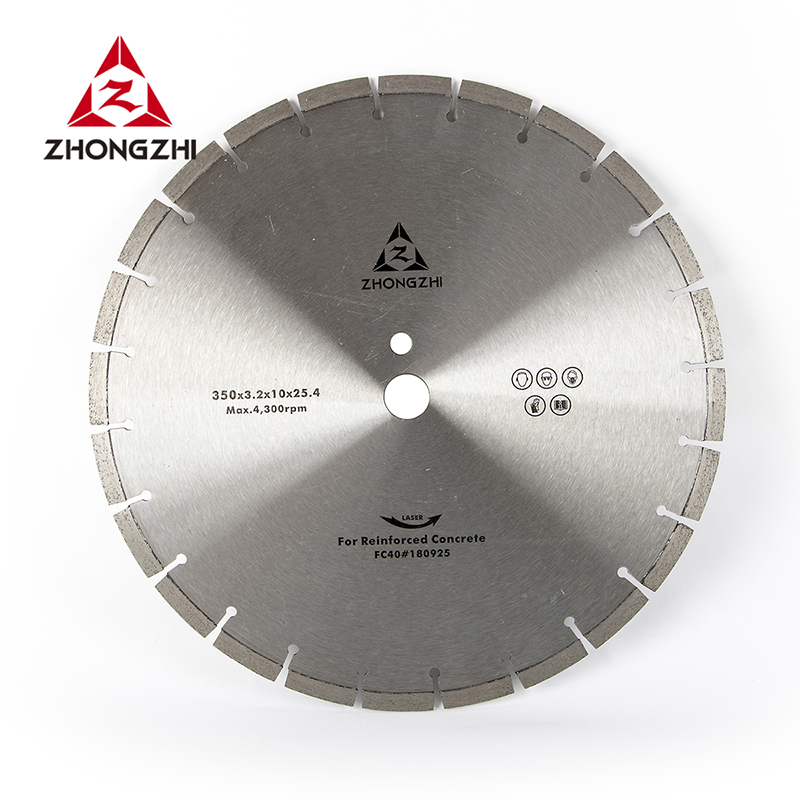
A diamond saw blade is not your typical cutting tool. It’s a precision instrument designed to handle tough materials like stone, concrete, and ceramics. At its core, it consists of a steel disc, which provides the structure and strength. Around the edge, you’ll find diamond segments — tiny but incredibly hard particles embedded in a metal matrix.
These diamonds don’t slice like a knife; they grind through materials. As the blade spins at high speeds, the exposed diamond grit scrapes and pulverizes the surface, allowing for clean, efficient cuts. The metal bond holding these diamonds is crucial—it controls how quickly the diamonds wear down and get replaced by fresh ones underneath.
Zhongzhi Enterprises, a leader in diamond tool manufacturing for over 30 years, offers a wide range of diamond saw blades. Their catalog includes continuous rim blades for smooth cuts, segmented blades for faster cutting with debris clearance, and turbo blades that strike a balance between speed and finish. Each type suits different materials and cutting conditions, helping professionals get the job done right.
Even the best diamond saw blade will lose efficiency over time. One common culprit is glazing—a condition where the metal bond softens or smears over the diamonds, essentially “covering” them. When this happens, the blade stops cutting effectively and starts rubbing against the material instead.
Several factors cause glazing:
Cutting very hard or non-abrasive materials like porcelain or quartzite, which dull diamonds quickly but don’t wear down the metal bond fast enough.
Improper feed rate—pushing too hard or too slow can cause excess heat and uneven wear.
Overheating, often due to insufficient water cooling or excessive friction during cutting.
Here are some signs your diamond saw blade is glazed or dull:
Cutting speed slows significantly, requiring more force.
The blade produces excessive sparks during wet cutting.
The blade edge looks shiny or polished rather than rough and gritty.
Zhongzhi’s laser-welded diamond saw blades are designed for enhanced durability, resisting segment loss and warping better than conventional blades. Still, even these high-quality blades need regular maintenance and dressing to keep cutting at peak performance.
Common Causes of Dulling | Symptoms of a Dull Diamond Saw Blade |
Cutting hard, non-abrasive materials | Slower cutting speed, more effort needed |
Incorrect feed rate | Excessive sparks during cutting |
Overheating due to poor cooling | Shiny, polished blade edge appearance |
Understanding these causes and symptoms helps you know when it’s time to sharpen or dress your diamond saw blade, ensuring it stays sharp and safe for every cut.
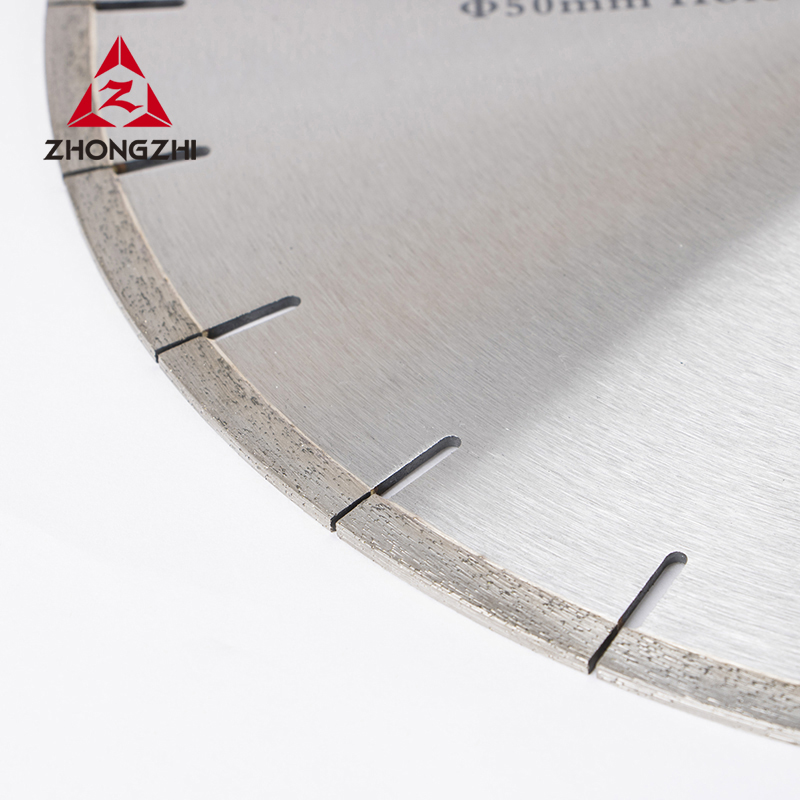
You’ll notice your diamond saw blade isn’t performing well long before it stops cutting altogether. The first sign is usually a slower cut. If you find yourself pushing harder or the blade takes longer to slice through materials, it’s time to check the blade. A high-pitched noise during cutting is another red flag—it means the blade is rubbing rather than grinding.
Visual inspection can tell you a lot. Run your hand carefully over the blade edge (when powered off). Sharp blades feel rough and gritty, thanks to exposed diamond grit. If the segments feel smooth and shiny, it’s a classic sign of glazing—when the metal bond smears over the diamonds, dulling the blade. This shiny surface reduces cutting efficiency and increases heat.
Safety is key. Never sharpen a blade showing cracks, missing segments, or obvious warping. These defects compromise balance and can cause dangerous blade failure. In such cases, replacement is the only safe option.
Sharpening, or more accurately dressing, restores your blade’s cutting power by exposing fresh diamond particles. This simple maintenance step keeps cuts fast and clean. It also extends the blade’s lifespan, saving money on frequent replacements.
A well-maintained diamond saw blade reduces stress on your saw’s motor. When the blade cuts smoothly, the motor doesn’t have to work as hard, which lowers energy consumption and wear on components. This means less downtime and fewer repairs.
Zhongzhi Enterprises offers a one-stop service that includes expert advice and professional after-sales support. Their team helps you maintain blades properly, ensuring peak performance and safety. With over 30 years of experience, Zhongzhi’s support can guide you on when and how to sharpen your diamond saw blade for best results.
Signs Your Diamond Saw Blade Needs Sharpening | Why Regular Dressing Matters |
Slower cutting speed, increased effort | Restores cutting efficiency |
High-pitched noise during operation | Extends blade lifespan |
Smooth, shiny blade segments | Reduces motor strain |
Visible cracks, missing segments (do not sharpen) | Improves overall safety |
Regular dressing isn’t just about keeping the blade sharp—it’s about protecting your investment and maintaining a safe working environment. Proper maintenance, combined with quality blades like Zhongzhi’s laser-welded options, makes all the difference on the job site.
Sharpening a diamond saw blade requires the right tools and materials to get the job done efficiently and safely. Using improper items can damage the blade or reduce its lifespan. Here’s what you need to keep your blade cutting like new.
A diamond dressing stone is the top choice for sharpening diamond saw blades. It’s specifically designed to wear down the metal bond covering the diamonds without harming the diamonds themselves. This stone helps expose fresh diamond grit, restoring cutting power quickly and evenly. Most professionals prefer it because it delivers consistent results and reduces the risk of overheating.
If a diamond dressing stone isn’t available, softer abrasive materials like cinder blocks, concrete pavers, or bricks work well as substitutes. These materials create an abrasive slurry when wet, which helps strip away the glazed metal bond on the blade’s edge. They are widely accessible and cost-effective for on-site sharpening.
However, not all bricks or blocks are equal. Choose softer ones to avoid damaging the blade. Hard materials like granite or porcelain won’t help and may worsen the blade’s condition.
Safety should never be overlooked. Sharpening a diamond saw blade generates dust, noise, and flying debris, so proper protective gear is a must. Here’s what you should wear:
Goggles: Protect eyes from dust and small particles.
Gloves: Shield hands from sharp edges and abrasive materials.
Respirator: Prevent inhaling harmful silica dust, especially during dry sharpening.
Ear Protection: Reduce hearing damage from loud saw operation.
Wearing this gear keeps you safe and comfortable during the sharpening process.
Using water while sharpening is highly recommended. Water cools the blade, preventing overheating that can warp the steel core or soften the metal bond. It also suppresses dust, making the environment safer and cleaner. A steady water flow ensures the abrasive slurry stays active and helps remove debris from the blade’s surface.
Wet sharpening extends blade life and improves the sharpening efficiency, so always prepare a reliable water source before starting.
For segmented diamond saw blades, a bastard file can be a handy addition. This hardened metal file has serrated edges that lightly “ping” the glazed segments, cracking the smooth surface and exposing new diamond edges. It’s a quick fix for light sharpening or spot dressing between full sharpening sessions.
While not a replacement for dressing stones or abrasive blocks, the bastard file offers a simple way to maintain segmented blades on the job.
Tool/Material | Purpose | Notes |
Diamond Dressing Stone | Primary tool for consistent dressing | Best for all blade types |
Cinder Block / Concrete Paver | Alternative abrasive material | Choose soft, avoid hard materials |
Goggles, Gloves, Respirator | Personal protective equipment (PPE) | Essential for safety |
Water Source | Cooling and dust suppression | Critical for wet sharpening |
Bastard File | Light sharpening for segmented blades | Quick touch-up tool |
Using the right tools and safety gear makes sharpening your diamond saw blade effective and safe. Zhongzhi Enterprises emphasizes quality and precision in their diamond tools, ensuring that paired with proper maintenance, your blades deliver top performance every time.
Before you start, safety comes first. Always wear proper PPE—goggles, gloves, respirator, and ear protection—to guard against dust, debris, and noise. Set up your workspace in a well-ventilated area, preferably outdoors or with dust extraction.
Next, carefully inspect the diamond saw blade. Look for cracks, missing segments, or warping. If any of these are present, sharpening isn’t safe—replace the blade instead. Secure the blade firmly on your saw. A wet saw is preferred since water cools the blade and reduces dust during sharpening.
Adjust your saw so the blade cuts about 1/8 to 1/4 inch into the dressing material. This depth lets the abrasive work effectively without stressing the blade or motor.
Use a diamond dressing stone or a soft abrasive material like a cinder block. Keep a steady water flow to cool the blade and carry away metal particles. Make controlled, light passes across the entire blade rim. Usually, 3 to 10 passes suffice.
For segmented blades, you can lightly tap each segment with a bastard file before or after dressing. This breaks the glazed surface and exposes fresh diamond edges.
Avoid overheating at all costs. If dry sharpening, take breaks to let the blade cool. Overheating can warp the steel core or soften the metal bond, ruining the blade.
After dressing, check the blade visually and by touch. The edge should feel rough and matte, with diamond grit visible. A shiny or smooth surface means more dressing is needed.
Perform a test cut on scrap material. Watch for improved cutting speed, cleaner edges, less noise, and cooler operation. If the blade still struggles, repeat the dressing process until performance returns.
Step | Key Actions | Tips |
Preparation | PPE, inspect blade, secure saw | Use wet saw if possible |
Sharpening Process | Set depth, steady water, light passes | 3–10 passes; bastard file for segments |
Post-Sharpening | Visual check, test cut, repeat if needed | Look for rough edge, smooth cut |
Following these steps keeps your diamond saw blade sharp and efficient, saving time and protecting your equipment.
A: Yes, by cutting into a soft abrasive like a cinder block or dressing stone, the grinder helps wear away glazed metal, exposing fresh diamonds.
A: Sharpen when cutting slows, sparks increase, or the blade edge looks shiny. Regular light dressing every few weeks maintains peak performance.
A: A diamond dressing stone is ideal. Soft abrasive materials like cinder blocks or concrete pavers also work well as alternatives.
A: Excessive sparks indicate a dull or glazed blade where metal bond rubs against the material instead of diamonds cutting.
A: Yes, soft abrasive concrete naturally dresses the blade by wearing down the metal bond and exposing fresh diamonds.
A: Segmented blades have gaps for debris clearance and fast cuts; turbo blades combine speed and smoothness with serrated rims; continuous rims offer the smoothest, chip-free cuts.
Regular sharpening, or dressing, keeps your diamond saw blade cutting efficiently and safely. Proper technique extends blade life and reduces wear. For quality blades and expert advice, trust suppliers like Zhongzhi Enterprises. They offer reliable products and support to help you maintain peak performance.