Diamond Segment Wear: Causes And Solutions For Longer Lifespan
Views: 0 Author: Site Editor Publish Time: 2026-05-21 Origin: Site


Every time a blade fails prematurely, your operational profitability suffers a direct hit. Premature Diamond Segment wear increases tool replacement frequency rapidly. It causes unexpected, expensive downtime on the shop floor. It also risks severe damage to your expensive raw materials. You need consistent cutting performance to maintain healthy project margins. Rapid segment degradation halts production completely. It creates excessive mechanical strain on your equipment. Understanding specific wear morphology changes everything for your operations. Implementing scientific cutting parameters can extend tool lifespan by up to 30 percent. At the same time, this reduces overall machine stress. We provide a data-driven troubleshooting framework below. Operators and procurement managers will learn exactly how to diagnose root wear causes. You will discover how to optimize machine settings immediately. Finally, we show you how to select correct segment specifications for any material you cut.
Key Takeaways
Bond Matching is Critical: The most common cause of rapid wear is a mismatch between the metal bond matrix and the material hardness (e.g., using a soft bond on abrasive materials).
Track Measurable KPIs: Operational red flags include a kerf width expanding beyond a 10% variance or blade temperatures exceeding 60°C.
Optimize the Setup: Addressing spindle runout (keeping it ≤0.05 mm) and directing coolant directly into the kerf prevents uneven segment degradation and thermal runaway.
Standardized SOPs Save Money: Implementing daily, weekly, and monthly maintenance checklists drastically reduces unexpected blade failures.
1. Identifying the Symptoms: What Premature Wear Looks Like
You must define exact physical signs of failure before fixing them. Operators often miss early warning signs on the shop floor. Identifying visual indicators prevents catastrophic tool destruction. You should inspect your tools frequently during active shifts.
Visual and Physical Red Flags
Noticeable Damage: You might see severe segment chipping. Cracks often form along the cutting edge. Segments can partially detach from the steel core.
Glazing: The segment surface becomes entirely smooth. It looks shiny under shop lights. The metal bond fails to expose new diamond crystals.
Core Bluing: You will notice blue or scorch marks near the weld zone. These dark discolorations indicate severe heat accumulation.
Auditory and Output Indicators
Listen closely to your cutting equipment. Sound provides immediate feedback regarding tool health. Abnormal noises signal a loss of dynamic balance. You might hear high-pitched screaming during cuts. Chattering or heavy pulsing noises mean the blade is struggling. You will also see clear output indicators on your materials. Rough, chipped cuts appear on the material surface. Unintentional kerf wandering happens when the blade deflects off the cut line.
Measurable Degradation Metrics
Do not rely solely on visual checks. You need quantifiable metrics to remove guesswork from lifecycle management. Track exact kerf width changes regularly. Use a digital caliper for precise measurements.
Kerf Expansion: The kerf width expands beyond the manufacturer’s baseline by 10 percent. This creates a strict indicator for immediate replacement.
Temperature Spikes: Operating temperatures consistently exceed the 60°C threshold. Excessive heat destroys structural integrity fast.
2. Root Cause Analysis: Why Your Diamond Segments Are Failing
Understanding failure requires breaking down technical reasons. We see many operators struggle with rapid wear daily. These problems usually stem from specific operational mismatches. You must analyze your materials and machine settings carefully.
The Material-to-Bond Mismatch
The metal matrix holds the abrasive crystals in place. It must wear at a highly specific rate. Using a soft bond on soft or abrasive materials fails quickly. The bond erodes too fast under friction. It drops valuable diamond crystals before they are fully utilized. Conversely, using a hard bond on hard material creates severe issues. The hard bond fails to wear away naturally. This prevents the exposure of fresh, sharp diamonds. It causes immediate glazing across the cutting edge. Sudden heat spikes follow closely. Complete tool failure happens shortly after.
Operational Parameter Errors
Operators frequently push feed rates too high. They want to finish jobs faster. This overloads the motor dangerously. You should aim for 85 to 90 percent of your rated current. Inadequate RPM causes the blade to drag through cuts. It creates extreme mechanical friction. On the other hand, excessive RPM generates rapid thermal runaway. Heat destroys the Diamond Segment structure quickly.
Cooling and Slurry Mismanagement
Coolant removes heat and washes away debris. Dry cutting using wet-only blades guarantees instant failure. Insufficient water flow fails to clear abrasive slurry. This thick slurry accumulates inside the cut. It causes heavy secondary grinding against the steel core.
Machine Calibration Issues
Equipment condition dictates tool lifespan directly. Dirty flanges push the blade out of alignment. Spindle radial runout often exceeds acceptable limits. Runout greater than 0.05 mm destroys blades fast. It leads to severe, uneven, one-sided segment wear.
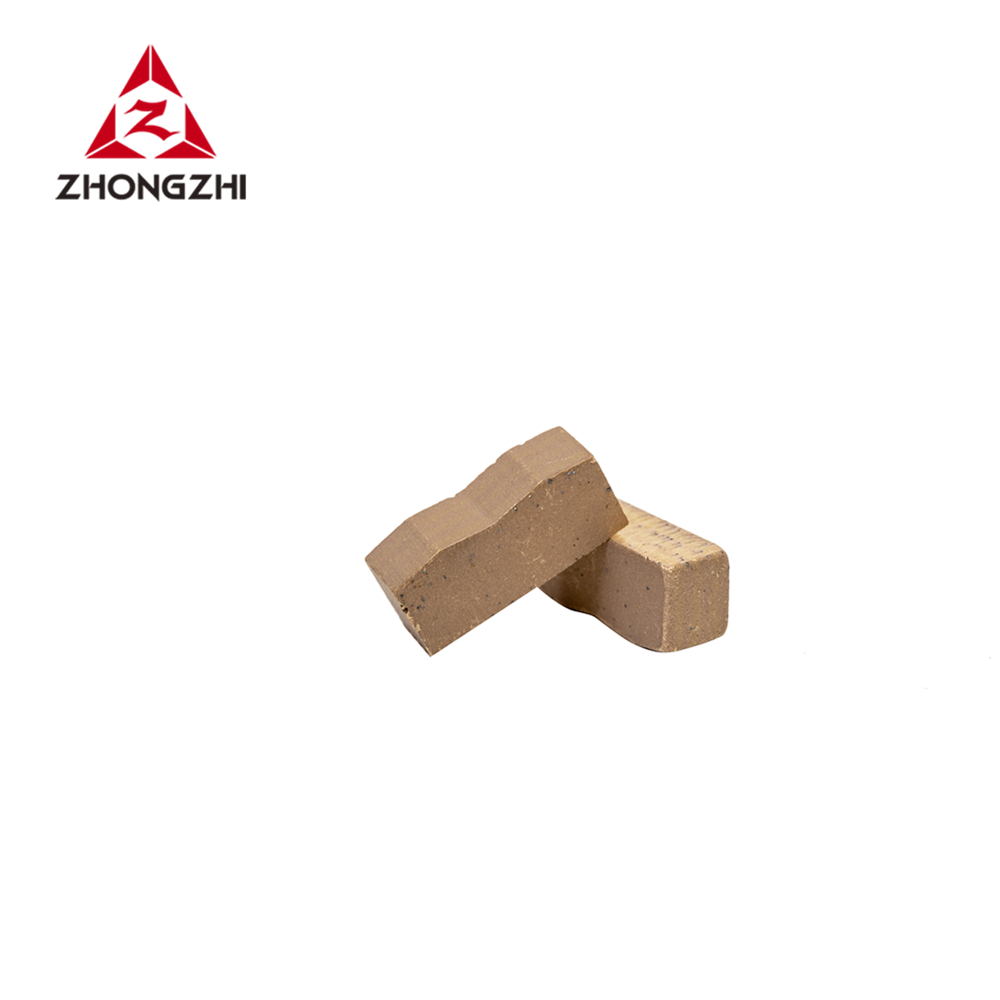
Proper inspection of segment weld integrity and matrix bond helps operators prevent premature failure.
3. The Efficiency vs. Lifespan Trade-off: Segment Design Factors
Buyers must evaluate specifications carefully before purchasing. Sharpness and longevity require a strict strategic balance. You cannot maximize both attributes simultaneously. Customizing your tool design yields superior daily results.
Diamond Concentration and Grit Size
Concentration dictates how many crystals sit inside the matrix. High concentration increases overall lifespan significantly. However, it slows down your cutting speed. Low concentration cuts very aggressively. Unfortunately, it requires frequent dressing to remain sharp. Grit size plays a similar role in this balance. Coarser grit offers much higher wear resistance. Finer grit delivers a sharper, smoother cut edge.
Segment Shape and Geometry
Shape directs how the tool interacts with material. Manufacturers design specific geometries for specific goals.
Focus Area | Segment Shape | Primary Benefit |
|---|---|---|
Longevity-Focused | T-shape, R-shape | Maximizes contact area for extended tool life. |
Speed-Focused | M-shape, W-shape | Reduces surface friction for faster initial cuts. |
Versatility-Focused | V-shape, Turbo | Balances fast cutting and excellent debris removal. |
Manufacturing Methodology
Production methods determine weld strength and structural integrity. Hot-pressed or sintered segments work well for general masonry. They cost less but handle standard jobs easily. Laser-welded segments handle heavy-duty concrete and asphalt. Their weld strength remains completely non-negotiable under heavy stress. When evaluating tool costs, prioritize the cost-per-cut metric. Ignore the initial purchase price entirely. A blade featuring customized layered segment structures costs more upfront. However, it yields significantly higher long-term efficiency.
4. High-Impact Solutions and Operational Best Practices
You can execute floor-level techniques immediately. Actionable practices extend tool life efficiently. You do not need to sacrifice production speed. Smart operators adapt their physical techniques to protect equipment.
Adopt Step-Cutting Techniques
Assess the thickness and density of your target material.
Avoid plunging the blade for a single deep cut.
Make multiple shallow passes across the material surface.
Reduce instantaneous impact stress on the steel core.
Prevent micro-chipping on delicate, brittle materials.
Optimize Coolant Strategy
Coolant application matters just as much as volume. Ensure water flow directs exactly into the cutting kerf. Do not just splash water against the blade face. It must penetrate the active cutting zone. Maintain your coolant water temperature between 15°C and 30°C. Water outside this range creates thermal shock. Thermal shock fractures the sensitive diamond crystals instantly.
Scientific Dressing Frequency
Do not wait for severe heat damage to occur. Proactively dress the blade at the first sign of trouble. Watch for glazing or any decreased cutting speed. Cut into a soft, abrasive material immediately. Use an old concrete block or a specialized dressing stone. This strips the melted metal matrix away. It exposes fresh, sharp crystals for optimal cutting.
Let the Blade Do the Work
Operators frequently force equipment through tough materials. You must avoid forcing the blade downward. Rely strictly on the equipment feed rate. Let the specific gravity and tool design function naturally. Maintain a highly consistent cutting rhythm during every pass.
5. Implementing a Standardized Maintenance SOP
You need a tangible schedule to audit performance accurately. Maintenance checklists justify your operational investments. Random inspections allow serious problems to slip through. Structured routines keep your equipment running profitably.
Daily Inspections
Start every shift inspecting the tools visually. Look for obvious core cracks along the steel body. Check the entire rim for any segment loss. Perform post-shift physical cleaning every single day. Use a soft brush thoroughly across the surface. Remove highly acidic or corrosive slurry before storing tools.
Weekly Calibrations
Take precise measurements weekly. Use your digital caliper to measure kerf width. Compare this measurement directly against the original baseline. Verify your machine alignment using standard shop tools. Clean your flanges until they shine bare metal.
Monthly Audits
Perform deep physical audits once a month. Schedule a full blade dismounting procedure. Inspect the total weld integrity under bright light. Check carefully for uneven side clearance across the rim.
Standardized Maintenance Audit Chart | ||
Frequency | Action Required | Target Metric |
|---|---|---|
Daily | Visual check & soft brush cleaning | Zero cracks; zero corrosive slurry left |
Weekly | Caliper measurement of kerf width | <10% expansion from original baseline |
Monthly | Full blade dismounting & weld check | Symmetrical wear; firm weld joints |
Conclusion
Diamond segment lifespan heavily depends on aligning the bond matrix precisely with material hardness.
Proper machine calibration and refined operator techniques prevent catastrophic tool failures.
Operators should immediately audit spindle runout and adjust coolant targeting to protect blades.
Procurement teams must rigorously verify their current segment bond hardness inversely matches their target material.
Consult an experienced tooling specialist to review your wear morphology and upgrade to a material-specific formulation.
FAQ
Q: Why are my diamond segments turning black and glazing over?
A: Glazing occurs when the metal bond is too hard for the material being cut. This traps dulled diamonds inside the matrix. It causes extreme friction and rapid heat buildup. This heat turns the steel core black or blue. You must dress the blade immediately to expose new diamonds. Alternatively, switch to a significantly softer bond formulation.
Q: Does applying more downward pressure speed up the cut?
A: No. Excessive pressure causes immediate thermal runaway. It warps the central steel core permanently. Pushing harder dramatically shortens your total segment life. Always let the blade cut steadily at its own designed pace.
Q: How do I know when it is definitively time to replace the blade?
A: Replace the blade immediately if you observe any missing segments. Severe core cracking also requires instant replacement. Furthermore, you must replace the tool if the measured kerf width expands by more than 10 percent from its original manufacturer specification.