What Are The Advantages of Diamond Pads for High-Efficiency Stone Grinding?
Views: 0 Author: Site Editor Publish Time: 2025-11-29 Origin: Site


Introduction
Have you ever wondered how professionals achieve such smooth, polished stone surfaces in less time? The answer lies in diamond pads. These specialized tools are rapidly replacing traditional abrasives due to their unmatched efficiency and durability.
In this article, we will explore the many advantages of diamond pads in high-efficiency stone grinding. You'll learn why these pads are essential in industries like construction, flooring, and stone fabrication. By the end, you'll understand how diamond pads can significantly improve your grinding results.
What Are Diamond Pads?
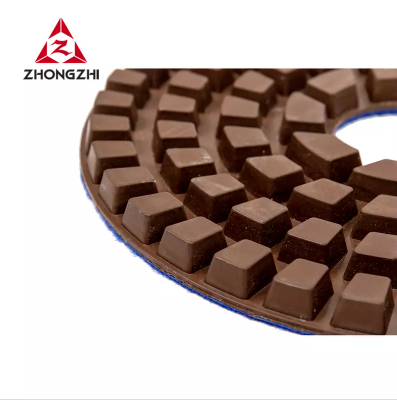
Diamond pads are specialized abrasive tools that harness the unrivaled hardness of diamonds to grind and polish stone surfaces. Diamonds, being the hardest material known, are essential for effectively grinding tough materials like concrete, granite, and marble. These pads are engineered to use the natural strength of diamonds to quickly achieve smooth, high-quality finishes, making them crucial for high-demand industries.
The Unique Benefits of Diamond Pads
Diamond pads offer a perfect blend of speed and precision, making them ideal for projects that require both efficiency and high-quality results. Unlike traditional abrasives, they maintain their sharpness and cutting ability over time, ensuring consistent results with minimal wear. This efficiency makes diamond pads the preferred choice for businesses aiming to enhance their stone grinding processes.
The Role of Diamond Pads in Various Industries
Industries like stone grinding, construction, and flooring increasingly depend on diamond pads for high-efficiency operations. These sectors require tools that can deliver superior results quickly, and diamond pads meet this need perfectly. Their versatility allows them to handle a wide range of materials, from softer stones to tougher surfaces like concrete and granite, making them an essential tool for nearly any grinding and polishing project.
How Diamond Pads Improve Grinding Efficiency
The Hardness of Diamonds and Its Impact on Grinding
The unparalleled hardness of diamonds is the primary reason diamond pads excel in stone grinding. Diamonds, as the hardest known material, cut through tough surfaces with ease. This natural hardness enables diamond pads to perform tasks that traditional abrasives struggle with, such as grinding dense stone surfaces or quickly removing large amounts of material. Thanks to this strength, diamond pads retain their sharpness and effectiveness, even under intense use, making them invaluable tools in high-efficiency grinding applications.
Material Composition of Diamond Pads and Their Benefits
Diamond pads are composed of synthetic diamonds embedded in a sturdy backing material, typically resin or metal. This construction ensures that the diamonds stay in place during use, providing consistent grinding performance. The hardness of the diamonds combined with the durability of the backing material allows the pads to last longer than traditional abrasives, which tend to wear out more quickly. The result is a tool that can maintain its effectiveness over time, providing superior results without the need for frequent replacements.
Why Diamond Pads Deliver Superior Grinding and Polishing
The unique combination of diamond hardness and effective bonding material enables diamond pads to deliver superior grinding and polishing results. The even distribution of diamond particles across the surface of the pad ensures that grinding is uniform, which prevents issues like uneven surfaces or scratches. This consistency is especially important when working on surfaces that require a flawless finish, such as marble, granite, or polished concrete. Diamond pads are designed to work faster than traditional abrasives, which helps increase productivity and reduce project time.
For more detail on polishing pads and their uses on stone and tile, see our guide on what a polishing pad is used for.
Key Benefits of Using Diamond Pads for High-Efficiency Stone Grinding
Faster Material Removal with Diamond Pads
Diamond pads can remove material at a significantly faster rate than traditional abrasives. They are capable of speeding up material removal by up to 20%, making them an efficient choice for large-scale projects where time is critical. For businesses working on tight deadlines, the ability to grind surfaces more quickly can improve overall project timelines and reduce labor costs. The speed of diamond pads doesn’t come at the expense of quality, ensuring that the surface is smooth and polished, even after rapid material removal.
Longer Lifespan and Cost Savings
Another key benefit of diamond pads is their long lifespan. Unlike traditional abrasives that need frequent replacement, diamond pads are designed to withstand repeated use without losing their sharpness or effectiveness. This durability reduces the frequency of replacement and helps businesses save money in the long term. Though the initial cost of diamond pads may be higher than that of traditional abrasives, their longevity and performance make them a more cost-effective solution over time. For companies that rely on grinding tools daily, diamond pads are a wise investment.
Consistent Results with Every Use
Diamond pads are known for their ability to provide consistent, high-quality results. The even distribution of diamond particles ensures that each pass over the surface produces uniform grinding, which leads to a smooth, flawless finish. This consistency is especially important when working on high-end projects, such as stone countertops or polished floors, where the final result must meet stringent quality standards. Diamond pads help eliminate imperfections, scratches, and inconsistencies that may be present when using traditional abrasives.
Achieving High-Gloss Finishes Quickly with Diamond Pads
One of the most significant advantages of diamond pads is their ability to achieve high-gloss finishes quickly. The fine diamond particles embedded in the pad provide the necessary abrasiveness to smooth out rough surfaces while also polishing them to a glossy shine. This ability to deliver a high-quality finish in a shorter amount of time makes diamond pads ideal for projects where both time and appearance matter. Whether working on concrete, granite, or marble, diamond pads can help create stunning, glossy surfaces faster than traditional abrasives.
Diamond Pads vs. Traditional Abrasives: Key Differences
Why Diamond Pads Are More Durable and Cost-Effective
Diamond pads are far more durable than traditional abrasives, which is one of the primary reasons they offer better long-term value. Traditional abrasives, such as sandpaper, often lose their effectiveness quickly and need to be replaced regularly. In contrast, diamond pads maintain their cutting power for a much longer period, reducing the need for frequent replacements. This extended lifespan translates into significant cost savings, making diamond pads a more cost-effective choice for businesses that need reliable grinding tools over time.
Superior Polishing Efficiency with Diamond Pads
Diamond pads excel in polishing efficiency. Their ability to quickly remove material and smooth out surfaces allows them to achieve a high-quality finish in less time. Unlike traditional abrasives, which may leave behind scratches or uneven surfaces, diamond pads deliver consistent, flawless results. This efficiency is especially beneficial for industries that require polished surfaces, such as stone fabrication or flooring, where the final result is critical. Diamond pads can achieve a polished, high-gloss finish with fewer passes, saving time and effort.
Versatility of Diamond Pads for Various Materials
One of the standout features of diamond pads is their versatility. They are suitable for a wide range of materials, including concrete, granite, marble, and other natural stones. Diamond pads can be used for both grinding and polishing tasks, making them ideal for multiple stages of a project. Whether you're working on a commercial flooring job, fabricating a stone countertop, or polishing marble tiles, diamond pads provide the flexibility to handle different surfaces and applications with ease.
| Feature | Diamond Pads | Traditional Abrasives |
|---|---|---|
| Durability | Extremely durable, lasts longer | Wears out quickly, needs frequent replacement |
| Cutting Efficiency | Faster material removal, up to 20% quicker | Slower material removal |
| Polishing Efficiency | Superior, consistent, and high-gloss finish | Often leaves uneven surfaces, requires multiple passes |
| Cost Over Time | Higher initial cost, lower long-term cost | Lower initial cost, higher long-term cost |
| Versatility | Works on multiple materials, including hard surfaces | Limited to softer materials like wood or metal |
How to Choose the Right Diamond Pad for Your Stone Grinding Project
Selecting the Right Grit for Your Grinding Needs
Choosing the appropriate grit for your diamond pad is crucial for achieving the desired results. Coarse grits are typically used for material removal, while finer grits are used for polishing and achieving a smooth, glossy finish. Selecting the right grit at each stage of the grinding process ensures that the surface is properly prepared and polished. For instance, a grit of 50-150 is ideal for rough grinding, while a grit of 800-3000 is best for fine polishing.
| Grinding Stage | Recommended Grit Level |
|---|---|
| Material Removal | 30-150 grit |
| Rough Grinding | 50-150 grit |
| Fine Grinding | 200-800 grit |
| Polishing | 800-3000 grit |
| High-Gloss Finish | 1500-3000 grit |
Choosing Diamond Pads Based on Material and Project Size
The type of material you're working with will determine the best diamond pad to use. Softer materials, such as sandstone or limestone, may require a pad with a lower grit and a softer bond, while harder materials like granite or concrete will benefit from a higher grit and a tougher bond. The size of the project also plays a role in choosing the right pad. Larger projects that require heavy material removal may benefit from a more aggressive pad, while smaller jobs may require finer pads for detailed work.
Wet vs. Dry Grinding: When to Use Each Method
Wet grinding is generally the preferred method for diamond pads, as it helps to reduce friction and dust. The lubrication from water cools the pad and prevents overheating, ensuring that the grinding process remains efficient and smooth. However, dry grinding may be necessary in certain situations, such as when water usage is restricted or for specific types of material. Both methods have their benefits, and choosing the right one depends on the nature of the project and the environment.
Maximizing Diamond Pad Performance: Best Practices
Techniques to Optimize Grinding Speed and Results
To get the most out of diamond pads, it’s essential to use the proper techniques. Maintaining consistent pressure while grinding helps ensure that the pad works efficiently without unnecessary wear. The speed at which you operate the grinder also affects the performance of the pad. Following the manufacturer’s guidelines for pressure and speed settings can help optimize grinding efficiency and prolong the life of the pad.
Maintaining Diamond Pads for Longevity
Proper maintenance is key to extending the life of diamond pads. After each use, cleaning the pads to remove any dust or debris is important to maintain their effectiveness. Overheating the pads during use can cause the bonding material to degrade, so it’s important to avoid excessive pressure and high temperatures. Regular maintenance ensures that your diamond pads continue to provide high-quality results over time.
Choosing Compatible Equipment for Diamond Pads
Using the right equipment with diamond pads is essential for achieving optimal results. The grinder’s speed and pressure settings should align with the specifications of the diamond pad. Using incompatible equipment can cause the pads to wear out prematurely or lead to subpar results. Ensuring that the grinder and pad are compatible is crucial for maximizing the performance and lifespan of the diamond pads.
Conclusion
Diamond pads offer significant advantages, including faster material removal, longer lifespan, and consistent high-quality results. Their ability to achieve high-gloss finishes quickly makes them ideal for both large-scale projects and smaller, more precise grinding tasks. For businesses seeking high-efficiency stone grinding solutions, these pads provide a long-term solution that reduces costs, increases productivity, and ensures superior results. Whether handling large commercial projects or smaller, intricate tasks, they deliver the performance and reliability needed for the best outcomes.
Zhongzhi Enterprises provides these high-performance diamond pads, offering durability, versatility, and efficiency for various grinding needs.
FAQ
Q: What are Diamond Pads and how do they work for stone grinding?
A: Diamond pads are abrasive tools embedded with synthetic diamonds. These diamonds' hardness allows the pads to efficiently grind and polish stone surfaces, providing consistent results and a high-gloss finish.
Q: Why are Diamond Pads better than traditional abrasives for stone grinding?
A: Diamond pads offer superior durability, faster material removal, and longer lifespan compared to traditional abrasives. Their ability to maintain sharpness ensures consistent, high-quality results.
Q: How do Diamond Pads improve the efficiency of stone grinding?
A: Diamond pads speed up material removal by up to 20% and provide smoother, more polished finishes quickly. Their sharpness and strength allow them to grind hard materials with ease.
Q: Are Diamond Pads cost-effective in the long run?
A: Yes, Diamond Pads are more cost-effective over time due to their longer lifespan. While their initial cost may be higher, their durability reduces the need for frequent replacements, saving money in the long term.
Q: Can Diamond Pads be used for both rough grinding and polishing?
A: Yes, Diamond Pads are versatile and can be used for both rough grinding and polishing tasks. Different grit levels are available to suit various stages of the grinding process.
Q: How do I choose the right Diamond Pad for my project?
A: Select the right Diamond Pad based on the material type, project size, and the desired finish. Coarse grits are for material removal, while finer grits are ideal for polishing and achieving a glossy finish.