Best Practices for Safe & Efficient Core Drilling
Views: 0 Author: Site Editor Publish Time: 2025-11-19 Origin: Site


Core drilling is an essential process in construction, renovation, and various DIY projects. Whether you are drilling through tiles, concrete, stone, or granite, the key to achieving precision and efficiency lies in using the right tools and techniques. One such tool that stands out for its ability to handle tough materials is the Diamond Core Drill Bit. This guide will walk you through the best practices for safe and efficient core drilling, ensuring clean, precise holes without damaging your work surface.
1. Understanding the Diamond Core Drill Bit
What is a Diamond Core Drill Bit?
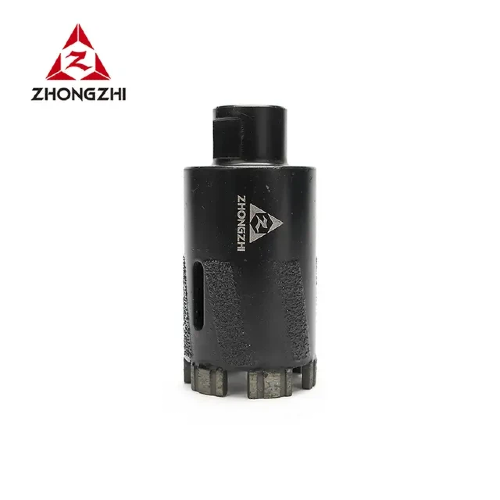
A Diamond Core Drill Bit is a specialized drilling tool designed for cutting through hard and abrasive materials such as tiles, concrete, stone, and granite. The bit features a core with industrial-grade diamonds embedded along the edge. These diamonds are extremely hard, allowing the drill bit to maintain its sharpness while cutting through tough surfaces.
Key Components:
Diamond-Tipped Cutting Edge: The cutting edge is embedded with high-quality industrial diamonds that allow for smooth and precise cutting.
Hollow Core: The bit’s design features a hollow core, which enables the removal of debris and dust as the hole is drilled, helping maintain efficiency and cleanliness.
Durability: Diamond Core Drill Bits are designed to last longer than standard masonry or carbide bits, especially when used on tough materials.
Why Choose a Diamond Core Drill Bit for Core Drilling?
Diamond Core Drill Bits offer several advantages that make them ideal for core drilling, including:
Precision and Clean Cuts: The sharp diamond particles cut through hard materials with ease, ensuring a clean and smooth hole with minimal chipping or cracking.
Versatility: They can be used on a wide range of materials, from ceramic and porcelain tiles to concrete, granite, and marble.
Longer Lifespan: The industrial-grade diamonds provide durability, reducing the need for frequent replacements compared to regular drill bits.
2. Preparing for Core Drilling
Proper preparation is key to achieving safe and efficient core drilling. Follow these steps to ensure that your drilling project goes smoothly.
Selecting the Right Diamond Core Drill Bit
Choosing the correct Diamond Core Drill Bit is critical for achieving the desired results. Consider the following factors when selecting your drill bit:
Size and Diameter
The size of the drill bit you need will depend on the type of project and the diameter of the hole you want to create. Common drill bit sizes range from small (6mm) to large (100mm). For instance, a small 6mm bit may be used for drilling holes for pipes or electrical outlets, while a larger 25mm or 50mm bit is typically required for installing faucets or drilling larger holes in concrete.
Tile and Material Compatibility
Different tiles and materials require specific types of Diamond Core Drill Bits. Here’s a quick guide:
Ceramic Tiles: A standard diamond core drill bit is often sufficient for ceramic tiles.
Porcelain Tiles: Porcelain is denser and more challenging to drill, so a high-quality wet diamond core drill bit is ideal.
Concrete and Granite: Harder materials require larger drill bits with a more robust design to prevent bit wear and overheating.
Wet vs. Dry Drilling
Wet drilling involves using a steady stream of water to cool the bit and prevent overheating. It’s particularly useful for harder materials like porcelain and granite. Dry drilling, on the other hand, is faster but generates more dust and heat, making it less suitable for dense materials.
Drilling Type | Pros | Cons |
Wet Drilling | Reduces heat, prevents dust, ideal for hard materials | Requires water supply, messier setup |
Dry Drilling | Faster, easier setup | More heat and dust, can cause premature wear |
Preparing the Work Area
Properly preparing the area to be drilled ensures accuracy and safety. Follow these steps:
Mark the Drilling Spot: Use a pencil or marker to mark the exact point where you’ll drill. Ensure it’s centered and aligned properly to avoid mistakes.
Use Painter’s Tape: Applying painter’s tape over the marked spot helps prevent the drill bit from slipping and reduces the risk of damaging the surface.
Secure the Tile or Surface: Ensure that the tile or material is stable and won’t move during drilling. A firm hold prevents any unintended movement or cracking.
3. Best Practices for Efficient Core Drilling
Once you have your Diamond Core Drill Bit and work area ready, it’s time to drill. Follow these best practices to achieve efficient and safe results.
Proper Drill Speed and Pressure
Speed Settings
Choosing the correct speed is essential for effective core drilling. For harder materials like porcelain and granite, a lower speed setting is recommended to prevent the bit from overheating. Softer materials like ceramic may require a slightly higher speed. Refer to your drill’s manual for specific speed settings based on the material being drilled.
Pressure
Applying too much pressure can cause the drill bit to overheat or the material to crack. It’s important to apply light and consistent pressure during the drilling process. Let the Diamond Core Drill Bit do the work and avoid forcing it through the material.
Using Water for Wet Drilling
Water is crucial for wet drilling, as it helps to cool the bit, reduce friction, and minimize dust. Set up a continuous water supply to keep the drill bit cool and avoid overheating. Wet drilling is especially useful when drilling through dense materials like porcelain or granite.
Drilling Technique for Different Materials
Different materials require different approaches to drilling. Here are some tips:
Drilling Through Tiles
Ceramic Tiles: Dry drilling works well for ceramic tiles. Apply painter’s tape to avoid cracking, and drill slowly to reduce friction.
Porcelain Tiles: Use a wet diamond core drill bit and apply slow, steady pressure. Porcelain tiles are more prone to cracking, so take your time.
Drilling Through Concrete and Stone
Concrete: Use a larger diamond core drill bit and wet drilling. Concrete can cause bits to wear out quickly, so proper cooling and maintenance are important.
Granite and Marble: These dense materials require slow speeds and a steady flow of water to prevent bit overheating and ensure longevity.
Maintaining Control and Precision
Keeping your drill bit in control is crucial to prevent mistakes. Follow these tips:
Start with a Pilot Hole: For extra precision, consider drilling a small pilot hole to guide your larger core drill bit.
Stay Steady: Hold the drill firmly and apply even pressure throughout the process to ensure the bit stays in place and drills evenly.
4. Post-Drilling Care and Maintenance
After successfully drilling through the material, it’s important to clean and maintain both the drilled area and the Diamond Core Drill Bit.
Cleaning the Drilled Area
Remove any debris, dust, or water from the drilled hole. If you used wet drilling, make sure to dry the hole completely before proceeding with the installation. A clean hole ensures that your installation goes smoothly and prevents any unwanted complications.
Maintaining Your Diamond Core Drill Bit
To ensure long-term use, clean your Diamond Core Drill Bit thoroughly after each use. Here are some tips:
Clean the Bit: Wash off any debris or tile dust to keep the bit in good working condition.
Dry the Bit: After cleaning, dry the bit completely to avoid rusting.
Store Properly: Store the drill bit in a dry, safe place to prevent damage and ensure it’s ready for future use.
When to Replace Your Diamond Core Drill Bit
Signs that it’s time to replace your drill bit include:
Slower Drilling Speed: If the bit is taking longer to drill through materials, it may have lost its sharpness.
Excessive Heat: If the bit is overheating frequently despite proper cooling, it may be worn out.
Visible Damage: Check the cutting edges of the bit. If they’re chipped or worn down, it’s time for a replacement.
5. Troubleshooting Common Core Drilling Issues
Despite best efforts, issues can arise during core drilling. Here’s how to troubleshoot common problems:
Overheating and Damage to the Tile
Cause: Overheating is usually caused by too much friction or using dry drilling on harder materials.
Solution: Switch to wet drilling, especially for dense materials like granite and porcelain. Ensure the drill bit is adequately cooled by a steady water supply.
Cracking or Breaking the Material
Cause: Applying too much pressure or drilling too quickly can lead to cracks in tiles, stone, or concrete.
Solution: Use painter’s tape to stabilize the tile. Start drilling at a slow speed, and gradually increase as needed. Apply light, consistent pressure to avoid cracking.
Inconsistent Drilling Speed
Cause: A worn-out or inappropriate drill bit can cause inconsistent drilling speed.
Solution: Replace the bit if it's dull or damaged. Also, check that the drill settings are correct and that you're using the appropriate bit for the material.
6. Conclusion
In conclusion, achieving safe and efficient core drilling requires careful preparation, the right tools, and proper techniques. The Diamond Core Drill Bit is a crucial tool for drilling through tough materials like tiles, concrete, and stone. By selecting the appropriate drill bit, maintaining control throughout the drilling process, and following correct maintenance practices, you can ensure your core drilling projects are both successful and durable.
Safety and efficiency should always be your top priorities, whether you are handling a small DIY task or a large construction project. With the right tools and techniques, your Diamond Core Drill Bit will continue to perform at its best for years.
For high-quality Diamond Core Drill Bits that offer durability, precision, and optimal performance, consider exploring the solutions offered by QuanZhou ZhongZhi New Material Technology Co., Ltd. Their expertise in manufacturing premium drill bits makes them a reliable partner for all your core drilling needs. Feel free to reach out to them for guidance or to discuss your specific project requirements.
7. FAQ
What is the difference between wet and dry core drilling?
Wet drilling uses water to cool the bit, reducing heat and preventing dust. It’s ideal for harder materials. Dry drilling is faster but generates more heat and dust.
How do I choose the right size Diamond Core Drill Bit?
Select the size based on the diameter of the hole you need. For example, smaller bits (6mm) for pipes and larger bits (50mm) for outlets or faucets.
Can I use a Diamond Core Drill Bit on all types of materials?
Yes, Diamond Core Drill Bits are versatile and can be used on tiles, concrete, granite, marble, and stone.
How do I prevent my tile from cracking while drilling?
Use painter’s tape, start slow, and apply light pressure to avoid cracks, especially on hard tiles like porcelain and ceramic.
How do I maintain my Diamond Core Drill Bit?
Clean it after each use, dry it thoroughly, and store it in a dry place to prevent rust and damage.
Can Diamond Core Drill Bits be used for both wet and dry drilling?
Yes, they are designed to handle both wet and dry drilling, depending on the material and the cooling method needed.