
Views: 0 Author: Site Editor Publish Time: 2025-11-11 Origin: Site
Diamond segments are a crucial component of cutting tools used in industries like construction, mining, and manufacturing. These segments, which consist of industrial diamonds embedded in a metal matrix, play a vital role in cutting through tough materials such as concrete, stone, asphalt, and metal. The performance of a diamond saw blade or drill bit depends heavily on the integrity of the diamond segments. However, over time, these segments can fail, leading to reduced cutting efficiency, premature wear, and even tool failure.
Understanding the causes of diamond segment failures and knowing how to address them is essential for maintaining the longevity and performance of cutting tools. In this article, we will explore the common causes of diamond segment failures, their impact on tool performance, and the solutions that can be implemented to prevent or mitigate these issues.
Before delving into the causes and solutions of segment failures, it's important to understand the role of diamond segments in cutting tools.
Diamond segments are the key components of diamond blades, drill bits, and other cutting tools. These segments are made by embedding industrial diamonds in a metal matrix, which is usually composed of a blend of copper, bronze, steel, or other metals. The diamonds are exposed on the surface, allowing them to cut through hard materials efficiently. The metal matrix helps to hold the diamonds in place while also providing durability and wear resistance.
Over time, as the cutting tool is used, the diamonds gradually wear down, and the matrix may begin to degrade. When the segments fail prematurely, the tool's cutting efficiency is compromised, and the tool may need to be replaced sooner than expected.
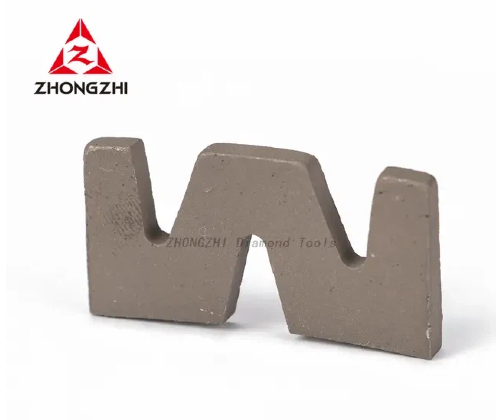
Diamond segment failures can occur due to a variety of reasons, ranging from improper use to material defects. Identifying the root cause of a failure is crucial to prevent future occurrences and optimize the performance of cutting tools.
The bond between the diamond segment and the tool’s core is critical to the performance and longevity of the cutting tool. If the bonding process is not executed properly, the segment may detach from the core during use, leading to failure. There are several reasons why bonding may fail:
Low-Quality Bonding Materials: If the matrix material used to bond the diamonds is of poor quality or not properly mixed, it can result in weak adhesion between the segment and the core. This leads to segment detachment or chipping.
Inadequate Bonding Process: The process of bonding the diamonds to the metal matrix, whether through sintering, brazing, or laser welding, must be carried out under precise conditions. If the temperature or pressure is not controlled correctly, the bond may be too weak to withstand the stresses of cutting.
Solution: To prevent bonding failures, it is crucial to ensure that the bonding process is executed by skilled technicians using high-quality materials. Additionally, selecting a reputable manufacturer with a proven track record of quality control can help avoid these issues.
The matrix material plays a key role in supporting the diamonds and ensuring that they are exposed at the right rate for efficient cutting. If the matrix material is too hard or too soft for the application, it can lead to uneven wear and premature segment failure.
Too Hard Matrix: If the matrix is too hard, the diamonds may become overly exposed too quickly, leading to faster wear. This results in inefficient cutting and a reduction in the tool’s lifespan.
Too Soft Matrix: A soft matrix will wear away too quickly, causing the diamonds to be released prematurely. This leads to a loss of cutting efficiency and the need for more frequent replacements.
Solution: Choosing the right matrix material for the specific application is crucial. Harder materials are typically used for softer materials like asphalt, while softer matrices are suitable for harder materials like granite and concrete. Manufacturers should work closely with suppliers to select the appropriate matrix material for their needs.
Cutting hard materials generates significant heat, which can have a detrimental effect on diamond segments. Excessive heat can cause several issues:
Thermal Degradation: High temperatures can weaken the bond between the diamonds and the matrix, leading to premature wear and failure.
Diamond Loss: Prolonged exposure to heat can cause the diamonds to fracture or break, reducing the segment's effectiveness.
Expansion and Contraction: Extreme temperature changes can cause the segment and core to expand and contract, leading to stress fractures and bond failure.
Solution: To minimize heat buildup, it is important to use the right cutting speeds and feed rates for the material being cut. Additionally, ensuring adequate cooling, either through water or air, can help dissipate heat and prevent damage to the segments. Using high-performance diamond segments designed to withstand higher temperatures can also improve the tool’s resistance to heat-related failures.
Using incorrect cutting techniques can significantly reduce the lifespan of diamond segments. Some common mistakes include:
Overloading the Tool: Applying excessive pressure or attempting to cut through materials too quickly can stress the diamond segments, leading to premature wear or breakage.
Incorrect Cutting Angle: Using the wrong cutting angle or forcing the tool at an incorrect position can cause uneven wear on the segments, resulting in poor cutting performance and reduced tool life.
Operating at Too Low or Too High Speed: Cutting too slowly can cause the tool to overheat, while cutting too quickly may result in the segment wearing down too fast. Maintaining an optimal cutting speed is essential for maximizing tool life.
Solution: Proper training for operators is essential to ensure that the cutting tool is used correctly. Operators should follow the manufacturer’s guidelines for cutting speeds, feed rates, and pressure to avoid overloading the tool. Additionally, regular maintenance checks to ensure that the tool is in proper working condition can help prevent cutting errors.
Contamination of the diamond segments or the material being cut can also contribute to failures. Impurities in the material being cut, such as metal or debris, can cause excessive wear on the diamond segments. Additionally, the presence of grit or dirt can accelerate wear and damage the diamonds.
Solution: To prevent material contamination, it is important to ensure that the cutting area is clean and free from foreign materials. Using clean and well-maintained equipment will help reduce the risk of contamination. Moreover, using a properly designed dust extraction system can help minimize the impact of contaminants on the cutting process.
The quality of the diamond segments themselves plays a significant role in their performance. Poor-quality diamonds may have inherent flaws or impurities that cause them to break or wear down faster. Low-grade diamonds also tend to be less effective at cutting through hard materials, leading to inefficient performance.
Solution: Always source diamond segments from reputable suppliers with a focus on high-quality materials and strict quality control procedures. Investing in premium segments ensures that the diamonds will perform better and last longer, ultimately improving the efficiency of cutting operations.
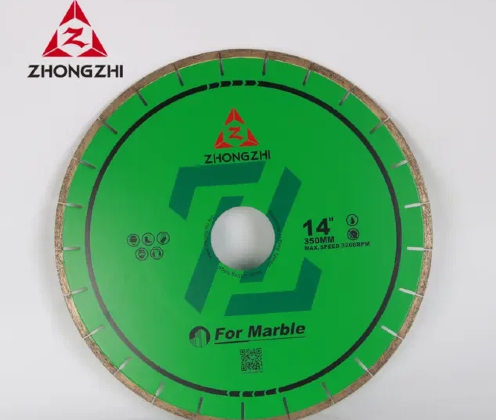
To address and prevent diamond segment failures, manufacturers and operators can implement a range of strategies and best practices:
Regularly inspecting and maintaining cutting tools is essential for identifying potential issues before they lead to failure. This includes checking for signs of excessive wear, cracks, or other damage to the segments and core.
Inspection: Visual inspections should be performed regularly to check for cracks, chips, or worn segments.
Maintenance: Tools should be cleaned and lubricated as needed to ensure smooth operation. Additionally, performing periodic checks on cutting speed and pressure can help optimize tool performance.
One of the most important steps in preventing segment failures is choosing the right diamond segments for the specific application. For example, segments designed for cutting through concrete may not be suitable for cutting asphalt, as the two materials have different properties.
Consult Experts: Working with experienced suppliers and manufacturers can help ensure that the correct diamond segment is selected based on the material being cut and the type of cutting tool used.
Providing proper training for operators is essential to ensure that the cutting tools are used correctly. Training should cover topics such as:
Correct cutting speeds and feed rates
How to avoid overloading the tool
Recognizing signs of tool failure and knowing when to replace the segments
Upgrading the bonding or welding method used to attach the segments to the core can help improve tool performance and longevity. For example, laser welding and vacuum brazing methods are known for producing stronger bonds that can withstand higher temperatures and stresses.
Diamond segment failures can occur for a variety of reasons, ranging from improper bonding to poor cutting techniques. Understanding the common causes of these failures and taking proactive measures can help extend the life of cutting tools and improve overall performance. By selecting high-quality diamond segments, using proper cutting methods, and maintaining the tools regularly, you can minimize the risk of failures and ensure that your cutting operations run smoothly.
To prevent diamond segment failures, consider working with trusted suppliers and manufacturers who can provide high-quality, durable diamond segments designed for your specific applications.