Views: 0 Author: Site Editor Publish Time: 2025-11-10 Origin: Site
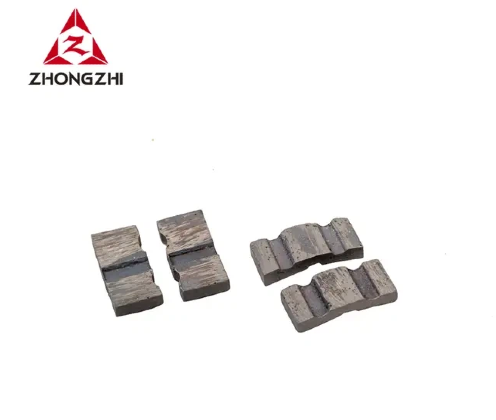
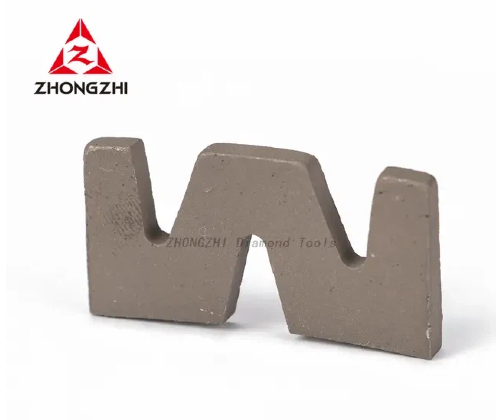
Diamond segments, which are critical components in the production of cutting, grinding, and drilling tools, are used in industries ranging from construction to mining. The diamond segments are typically mounted onto a tool's body (like a saw blade, drill bit, or grinding wheel) and are designed to wear down gradually, allowing the diamonds to remain exposed for efficient cutting. The method used to bond the diamond segments to the tool body is crucial for performance, durability, and reliability.
There are two commonly used methods for bonding diamond segments to their metal cores: laser welding and brazing. Both techniques offer distinct advantages and challenges, and choosing the right method depends on several factors, including the specific application, the materials involved, and the desired performance characteristics of the tool. In this article, we will compare laser welding and brazed connections in the context of diamond segments, exploring their differences, advantages, and drawbacks to help you determine which is the best for your needs.
Before diving into the specifics of the bonding methods, it is important to understand what diamond segments are and their role in cutting tools.
Diamond segments are pieces of sintered or otherwise engineered metal that have a layer of industrial diamonds embedded in them. These segments are typically used in diamond saw blades, core drill bits, grinding wheels, and other cutting tools. The diamond particles are extremely hard, and they help in cutting through hard materials such as concrete, asphalt, rock, and metals.
The segments are mounted on the tool body using a variety of bonding methods. The bond ensures that the diamond particles remain in place while also providing the necessary strength to withstand the high forces and temperatures generated during cutting. The bond’s integrity is essential for the tool's performance, and it must be durable enough to handle heavy stress, vibrations, and thermal expansion.
Laser welding is a relatively modern technique for joining two materials together using the focused energy of a laser. A high-powered laser beam is directed onto the joint between the diamond segment and the tool body, causing the metal to melt and form a strong bond. The laser's heat is highly localized, allowing for precise control over the welding process.
There are two common types of laser welding used in diamond segment applications:
Laser Beam Welding (LBW): This method uses a laser to melt the metal and form a joint without the need for additional filler material. It is often used for joining thin materials or when high precision is required.
Laser Hybrid Welding: This method combines laser welding with another form of welding (like arc welding) to achieve better penetration and faster welding speeds. It is commonly used for thicker materials.
High Precision and Control: Laser welding allows for highly localized heat application, ensuring that the heat-affected zone (HAZ) is minimal. This precision is important when working with the delicate diamond segments and tool body, preventing damage to the surrounding area.
Strong Bond: Laser welding produces a strong, high-quality bond. The process results in a deep penetration weld, which creates a robust joint between the diamond segment and the tool body. This makes laser welding a great option for tools that undergo significant stress during use, like saw blades used in concrete cutting.
Minimal Distortion: Since the heat is concentrated in a small area, there is less overall thermal expansion or distortion of the materials being welded. This is crucial when working with high-precision tools where maintaining the correct shape and alignment is essential.
Clean Process: Laser welding does not require fillers or additional materials, leading to a cleaner, more precise weld. This minimizes the need for post-welding cleaning and ensures that there is no excess material left around the diamond segment.
Cost and Equipment: The laser welding process requires specialized equipment, which can be expensive to set up and maintain. Additionally, the high cost of laser welding systems may make it less accessible for some manufacturers, particularly for those with lower production volumes.
Material Limitations: Laser welding is best suited for metals with low to medium thickness. In some cases, thicker materials may require additional passes or hybrid welding, increasing complexity and time.
Risk of Overheating: Although laser welding is precise, there is still a risk of overheating the materials, particularly in small or thin sections. Overheating can damage the diamond segment or the metal body, potentially reducing the overall quality and performance of the tool.
Brazing is a more traditional method of joining metal parts using a filler metal with a melting point lower than that of the materials being joined. In brazing, a brazing alloy (often containing materials like silver, copper, or brass) is heated to a liquid state and applied to the joint between the diamond segment and the tool body. The alloy then cools and solidifies, forming a strong bond between the two materials.
Versatility: Brazing is a very versatile method, suitable for a wide range of materials, including metals, ceramics, and composites. This makes it ideal for diamond segments since they can be combined with a variety of tool bodies made from different metals like steel, carbide, or alloyed steels.
Cost-Effective: Compared to laser welding, brazing is typically less expensive in terms of both the equipment required and operational costs. The process doesn’t require specialized lasers, and the brazing alloy is relatively inexpensive.
Strong Bond: Brazing creates a strong and durable bond, particularly when high-quality filler alloys are used. The joint formed is often resistant to high temperatures, vibrations, and mechanical stresses, making it ideal for heavy-duty cutting and grinding tools.
More Suitable for Thick Materials: Unlike laser welding, which is best for thin materials, brazing can be used for thicker materials without requiring multiple passes. This makes it a good choice for larger and more robust cutting tools.
Lower Precision: Brazing tends to have a larger heat-affected zone compared to laser welding. The process involves heating the entire joint area, which can result in distortion or potential damage to the diamond segment or tool body. It also requires more effort to maintain precise bonding.
Need for Filler Material: Brazing relies on a filler metal to create the bond, and the quality of the filler metal can significantly impact the strength and durability of the joint. In some cases, the filler material can corrode over time, potentially weakening the bond.
Longer Process: Brazing typically takes longer than laser welding, especially when large or thick materials are involved. This can lead to longer manufacturing times and, in turn, increased production costs.
Post-Brazing Cleaning: After brazing, it is often necessary to clean the brazed joint to remove flux residues and ensure that the bond remains strong. This adds additional steps to the manufacturing process.
When choosing between laser welding and brazing for bonding diamond segments, there are several factors to consider, depending on the specific requirements of the application.
Laser welding is ideal for high-performance tools used in precision cutting applications where strength and minimal distortion are crucial. It is particularly useful for saw blades and drill bits used in demanding applications such as concrete or stone cutting.
Brazing, on the other hand, is often used for tools that may not need the highest precision but require strong, durable joints. It is well-suited for larger or thicker diamond segments, making it a common choice for grinding wheels or large-diameter cutting tools.
If cost is asignificant factor, brazing may be the better option due to its lower equipment and operational costs. While laser welding offers high precision, it requires expensive equipment and is more resource-intensive.
For manufacturers looking for high-volume production of tools, brazing can be more cost-effective, as it is a simpler and quicker process.
Laser welding tends to create a stronger, more durable bond, making it ideal for tools that face high levels of stress and wear. It offers superior precision and produces a cleaner joint with fewer potential defects.
Brazing may provide adequate durability for many applications, but it could be less suitable for tools that need to withstand extreme pressure or heat, as the heat-affected zone may result in more wear over time.
Both laser welding and brazing are effective methods for bonding diamond segments to tool bodies, but the best choice depends on the specific needs of the application.
If high precision, minimal distortion, and maximum strength are paramount, laser welding is the superior choice, especially for high-performance cutting tools.
If cost and versatility are more important, and the tools do not require the highest level of precision, brazing is a reliable and cost-effective option.
Each method has its advantages, and the decision will ultimately depend on factors like the tool type, performance requirements, and budget. For manufacturers seeking a reliable and strong bond for their diamond segments, it’s essential to choose the method that aligns best with their production goals and tool specifications.