


Views: 0 Author: Site Editor Publish Time: 2025-10-27 Origin: Site


Are you getting the most out of your diamond saw blades? These powerful tools are essential for cutting through tough materials like concrete and stone, but their lifespan can be significantly reduced if not properly maintained. In this article, we will discuss practical tips for extending the lifespan of your diamond saw blades. You will learn how to maintain their efficiency and performance, saving both time and money in the long run.
Diamond saw blades are engineered to withstand extreme cutting conditions, but over time, they will experience wear and tear. It's crucial to understand the factors that contribute to this degradation to take proactive steps in prolonging the blade's life. Several common factors cause a diamond saw blade to lose its cutting efficiency, including friction, heat, and improper usage.
Friction and Heat: As a diamond saw blade cuts through tough materials, it generates significant friction. This friction causes heat to build up, which in turn leads to accelerated wear of the diamond segments. Overheating is one of the most common causes of diamond saw blade failure, especially when blades are not adequately cooled during operation.
Tip: To reduce friction, ensure that your blade is properly lubricated and use a wet cutting method whenever possible. This not only helps to cool the blade but also flushes away debris, reducing heat buildup.
Improper Usage: Using the wrong blade for a particular material can significantly shorten the blade's lifespan. For example, using a blade designed for concrete on soft materials like wood can cause unnecessary strain on the blade, leading to rapid deterioration of the diamond segments. Additionally, applying excessive force during cutting can cause premature wear as the blade struggles to keep up with the added pressure.
Tip: Always select a blade specifically designed for the material you are cutting. By matching the blade to the material, you reduce unnecessary wear and tear, thus extending its useful life.
Visible Damage: Over time, diamond saw blades will show signs of wear and damage. Chipping, cracks, or dull edges are all indicators that the blade is deteriorating. Inspect your blade regularly for visible damage, and replace it if necessary to maintain optimal performance.
Performance Decline: Another telltale sign that your diamond blade is no longer cutting efficiently is a noticeable reduction in cutting speed or accuracy. If the blade is producing rough or uneven cuts, it may be time to replace it. A blade that takes longer to cut or struggles with material can cause delays in your work and reduce the quality of your results.
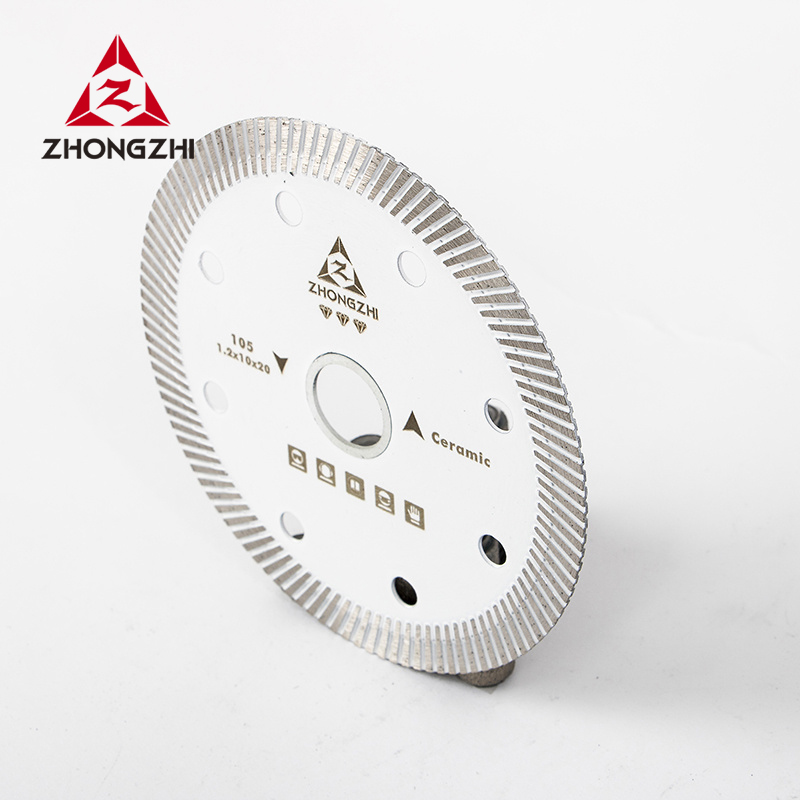
Choosing the correct blade for the task at hand is crucial for both cutting efficiency and extending the lifespan of your diamond saw blade. Different blades are designed for different materials, and using the wrong one can accelerate wear and diminish the performance of the blade.
Diamond Blades: These are the go-to choice for cutting through hard materials such as concrete, stone, and tile. The diamonds on the edge of the blade are incredibly hard and are specifically designed to handle these tough materials. However, diamond blades wear out more quickly when cutting highly abrasive materials.
Tip: Always use a diamond blade for concrete or stone cutting. For softer materials, consider using other types of blades to minimize wear on your diamond blade.
Choosing the Correct Bond Matrix: The bond matrix is what holds the diamond particles in place. The bond's hardness determines how easily the diamonds are exposed during cutting. A soft bond is suitable for hard materials like concrete, as it helps expose more diamonds to the cutting surface. A hard bond is ideal for softer materials like asphalt, as it prevents the blade from wearing down too quickly.
Blade Compatibility with Saw Equipment: It’s vital to match the blade to the saw's performance capabilities. A high-performance diamond blade is best suited for high-powered saws, while standard blades work well with low-powered saws. Mismatching blade and equipment can lead to warped blades and poor cutting results.
The way you cut with your diamond saw blade can significantly impact its lifespan. Adopting the right cutting techniques can reduce wear and ensure efficient cutting.
Avoiding Excessive Force: Applying too much pressure on the blade while cutting can lead to excessive friction and heat buildup, which shortens the blade’s life. Let the blade do the work. It’s designed to cut through material efficiently without requiring excessive force.
Maintaining Steady Movement: Keeping a steady, controlled motion during cutting ensures that the blade wears evenly. Abrupt starts and stops or inconsistent cutting motions can cause uneven wear and reduce the blade's cutting efficiency.
Tip: Move the blade at a steady pace, without rushing or forcing it. This technique will reduce stress on the blade and maintain its sharpness for a longer period.
Cooling Methods: Excessive heat can cause a diamond blade to lose its cutting edge quickly. Using water or another cooling method is essential, especially when performing dry cuts. Wet cutting helps maintain a cooler temperature, reducing friction and preventing premature wear.
Tip: Always use a wet-cutting technique for better cooling. This helps reduce heat and maintains the blade’s cutting efficiency.
Ideal Cutting Conditions: Operating the saw at the proper cutting speed and feed rate can help keep the blade cool and running smoothly. Cutting too quickly or too slowly can generate unnecessary heat and cause the blade to wear out faster.
Proper maintenance is essential for keeping your diamond saw blades in top condition. Regular cleaning, sharpening, and dressing can help prolong their lifespan.
Removing Debris: After each use, it’s essential to clean the blade to remove any concrete dust, debris, or buildup that may have accumulated during cutting. A simple way to do this is by cutting through a piece of scrap concrete, which helps clean the blade and expose fresh diamond edges.
Tip: Use concrete or another abrasive material to clean the blade after each use. This removes built-up debris and ensures that the blade continues to cut effectively.
Avoiding Harsh Chemicals: Some cleaning chemicals can damage the blade's metal components. It's best to use non-abrasive cleaning methods and avoid harsh chemicals that may weaken the blade.
The Importance of Blade Dressing: Over time, diamond blades accumulate buildup that can dull the diamond segments. Blade dressing, using a dressing stone, helps restore the blade's sharpness by removing the buildup and exposing fresh diamonds.
Tip: Invest in a good-quality dressing stone and regularly dress your diamond blade to maintain its sharpness and cutting efficiency.
When to Sharpen: If you notice a decrease in cutting speed or accuracy, it’s time to sharpen the blade. Regular sharpening can help maintain peak performance for longer periods.
How you store your diamond saw blades can significantly affect their longevity. Proper storage helps prevent physical damage and preserves the blade’s cutting capabilities.
Avoiding Moisture and Extreme Temperatures: Store diamond blades in a dry place away from excessive heat or moisture. Exposure to these elements can cause rust and damage the blade’s integrity.
Using Blade Protectors: Blade protectors help avoid physical damage during storage. Ensure that blades are stored safely to prevent accidental nicks or bends.
Flat vs. Hanging Storage: When storing diamond blades, ensure they are stored flat to prevent warping. Hanging blades can cause stress at certain points, leading to deformities over time.
Even with the best maintenance practices, there will come a time when you need to replace your diamond saw blade. Recognizing the signs that it’s time to replace the blade is key to maintaining efficiency and safety.
| Sign | What It Means |
|---|---|
| Increased Cutting Time | The blade is dull and requires more effort to cut through material. |
| Noticeable Reduction in Quality | Cuts are uneven, rough, or less precise. |
Weighing the Cost of Replacement vs. Maintenance: Sometimes, maintaining an old blade can be more expensive than simply replacing it. Assess the condition of the blade before deciding whether to continue repairs or invest in a new one.
Maintaining your diamond saw blades through proper use, cleaning, cooling, and storage significantly extends their lifespan. By selecting the right blade for each job and following best cutting practices, you can ensure a longer, more efficient service life. Regular inspections and maintenance will help maximize performance and prevent unnecessary costs. Investing in the right care techniques now will save both time and money. Zhongzhi products, known for their durable diamond saw blades, offer great value with enhanced cutting efficiency and long-term reliability.
A: Proper use, regular cleaning, cooling, and storing your diamond saw blades correctly can significantly extend their lifespan. Avoid excessive force during cutting and maintain the correct cutting speed for optimal performance.
A: Diamond saw blades wear out due to friction, heat, improper use, or cutting the wrong materials. Overheating and using excessive force also accelerate blade degradation.
A: Regularly clean the blade, inspect for wear, and ensure it is properly cooled. Storing the blade in a dry, temperature-controlled environment also helps prevent damage.
A: Replace your diamond saw blade when cutting becomes slower, more effort is needed, or the blade shows visible damage like cracks or dull edges. Regular maintenance can delay replacement.
A: Diamond saw blades are designed for hard materials like concrete, stone, and asphalt. Using them on softer materials like wood can lead to rapid wear.
A: The cost of a diamond saw blade varies depending on the material, quality of diamonds, and brand. High-quality blades often cost more but provide better performance and longer lifespans.
A: Performance is affected by the material being cut, cutting speed, water usage for cooling, and the quality of the diamonds on the blade. Proper care and correct usage are key to maintaining performance.