
Views: 0 Author: Site Editor Publish Time: 2025-10-06 Origin: Site
Ever wonder what makes cutting tools slice through tough materials with ease? The secret lies in diamond segments. These essential components enhance cutting efficiency across various applications. In this post, you'll learn about key features of diamond blade segments, their importance in cutting tools, and how they elevate performance.
The design and configuration of diamond blade segments have a big impact on cutting performance. Knowing the types, thickness, and height of segments helps pick the right blade for the job.
There are several common segment shapes, each suited for specific cutting needs:
Flat Segments: These provide a steady cutting surface. They work well for general cutting tasks like masonry or concrete. Their simple shape makes them reliable and durable.
Turbo Segments: Curved edges boost cutting speed and reduce friction. They excel at cutting tough materials like granite or engineered stone. The turbo design helps push debris away, keeping the cut smooth.
Continuous Segments: These have no gaps, offering a smooth edge. Ideal for delicate materials like tiles or ceramics. They help prevent chipping and produce precise, clean cuts.
Choosing the right shape depends on the material and desired finish.
Segment thickness and height also affect how well the blade cuts:
Thickness: Thicker segments last longer and handle heavy-duty cutting better. They resist wear during tough jobs but might cut slower.
Height: Taller segments mean more diamond material, extending blade life. Shorter segments wear out faster but sometimes cut quicker.
For hard materials like reinforced concrete, thick and tall segments work best. Softer materials may allow thinner, shorter segments for faster cuts.
Segment design influences:
Cutting Speed: Turbo shapes and thinner segments often cut faster.
Durability: Flat, thick, and tall segments resist wear and last longer.
Cut Quality: Continuous segments provide smooth, chip-free edges.
Balancing these factors ensures optimal performance. For example, a turbo segment blade is great for fast cuts in granite but may wear quicker than a flat segment blade.
Diamond quality and concentration are vital factors for diamond blade segments. They directly affect cutting efficiency, durability, and overall tool performance.
Diamond segments usually contain synthetic or natural diamonds. Synthetic diamonds dominate industrial cutting tools because of their consistent quality and cost-effectiveness. These man-made diamonds have uniform hardness and size, ensuring predictable cutting results. Natural diamonds, though less common, sometimes appear in specialty blades. They offer unique properties but vary widely in quality and price.
Diamond concentration refers to how many diamond particles exist in the segment matrix. Higher concentration means more cutting edges contact the material, which can speed up cutting and extend blade life. However, too high a concentration may reduce the blade's ability to expose fresh diamonds as the bond wears, potentially slowing cutting over time.
Lower diamond concentration blades expose diamonds more quickly, which can increase cutting speed but may wear out faster. The ideal concentration balances cutting speed and segment longevity based on the material hardness and cutting frequency.
Selecting the right diamond quality and concentration depends on the material you cut and how often you use the blade. For example:
Hard materials like granite or reinforced concrete: Use high-quality diamonds with medium to high concentration. This combination ensures durability and efficient cutting.
Softer materials like brick or asphalt: Lower diamond concentration and slightly softer diamonds work better, as they expose fresh diamonds faster and cut more quickly.
High-volume or industrial use: Opt for blades with higher diamond concentration and premium quality diamonds to maximize lifespan and reduce downtime.
Matching diamond quality and concentration to your application improves cutting speed, reduces costs, and prevents premature wear.
Tip: When selecting diamond blade segments, consider both diamond quality and concentration carefully to match your material hardness and cutting volume for optimal performance and cost-efficiency.
The bonding matrix plays a crucial role in diamond blade segments. It holds diamonds firmly and impacts cutting speed, durability, and overall performance.
There are three main types of bonds used in diamond blade segments:
Metal Bond: Uses metal powders to secure diamonds. This bond is very tough and wears slowly, making it perfect for cutting hard materials like concrete, stone, and asphalt. Metal bonds resist heat well and keep diamonds in place during heavy-duty cutting.
Resin Bond: Made from synthetic resins, this bond is softer than metal. It wears faster but exposes diamonds more quickly, which helps with faster cutting and smoother finishes. Resin bonds work well for softer materials like tiles, ceramics, and some stones.
Hybrid Bond: Combines metal and resin properties. It balances durability and cutting speed. Hybrid bonds suit a wide range of materials and applications, providing versatility for many cutting tasks.
Bond hardness must match the material being cut:
Softer Bonds: Ideal for hard materials. They wear away faster, exposing fresh diamonds to keep cutting efficiently. For example, cutting granite or reinforced concrete benefits from softer bonds.
Harder Bonds: Better for softer, abrasive materials. They resist wear longer, extending blade life when cutting brick or asphalt.
Choosing the right bond hardness ensures the blade wears evenly and cuts effectively without premature failure.
The bonding matrix affects two key performance aspects:
Durability: Metal bonds increase segment life by holding diamonds tightly and resisting wear. Resin bonds wear faster but may cut quicker initially.
Cutting Speed: Softer bonds (like resin or soft metal bonds) expose diamonds faster, boosting cutting speed. Harder bonds slow diamond exposure, reducing speed but increasing lifespan.
Balancing bond type and hardness with the material's hardness and abrasiveness ensures optimal cutting speed and blade life.
Diamond blade segments generate a lot of heat and dust during cutting. Managing these factors is crucial to keep the blade efficient and safe to use. Cooling and dust control features help extend blade life, improve cutting quality, and protect operators.
Cooling slots are gaps or holes cut into the blade’s core or segments. They allow air to flow freely around the blade during operation. This airflow helps dissipate heat generated by friction between the blade and the material. Without proper cooling, blades can overheat, causing:
Faster wear of diamond segments
Reduced cutting speed
Risk of blade warping or damage
Cooling slots also reduce the blade's overall weight, which can improve handling and reduce motor strain. Some blades feature specially designed slot patterns to maximize cooling efficiency without compromising blade strength.
Dust created during cutting can obscure the work area and harm worker health. Advanced dust control features help manage this problem by:
Capturing dust at the cutting zone
Directing dust away from the blade and operator
Reducing airborne particles through integrated vacuum ports or water feed systems
Some diamond blades are designed to work with wet cutting methods, where water cools the blade and suppresses dust simultaneously. Others combine cooling slots with vacuum-compatible designs for dry cutting environments.
Effective dust control improves visibility, allowing for more precise cuts. It also minimizes cleanup time and meets workplace safety regulations by reducing inhalation risks.
Incorporating cooling and dust control features offers multiple advantages:
Longer blade life: Cooler segments wear less quickly.
Consistent cutting speed: Heat buildup slows cutting; cooling maintains steady performance.
Better cut quality: Less dust means cleaner cuts and fewer defects.
Operator safety: Reduced dust exposure protects respiratory health.
Reduced downtime: Less blade damage and cleanup mean more work time.
Choosing diamond blade segments with effective cooling slots and dust control systems is especially important for heavy-duty or prolonged cutting tasks. These features ensure the blade remains sharp and reliable throughout the job.
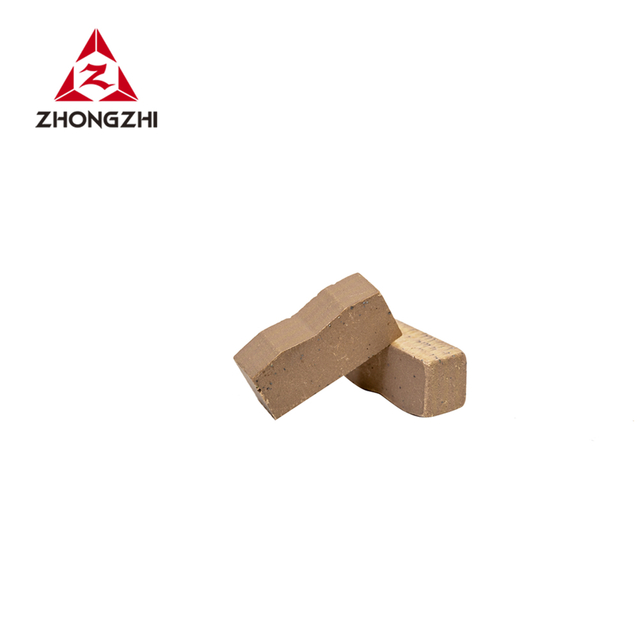
Choosing the right diamond blade segments is key for efficient cutting and tool longevity. Several factors influence the best choice, including the material, cutting frequency, cost, and performance needs.
The type of material you cut is the top consideration. Hard materials like granite, reinforced concrete, or engineered stone require blades with tougher segments, higher diamond quality, and stronger bonds. Softer materials such as brick, asphalt, or soft stone allow for different segment designs and bond hardness.
Cutting frequency also matters. For occasional use or small projects, a more economical blade with moderate diamond concentration and bond hardness may suffice. For heavy-duty or industrial cutting, invest in premium segments designed for durability and sustained performance.
Cost and performance must balance. Higher-quality diamond segments often cost more upfront but last longer and cut faster, reducing downtime and replacement frequency. Lower-cost blades might save money initially but wear out quickly, increasing overall expenses.
Consider the total cost of ownership, including blade life, cutting speed, and maintenance needs. Selecting segments that match your application's demands helps optimize this balance.
Match segment shape and size to the material hardness and cutting goal. For example, use turbo segments for fast cuts in hard stone, flat segments for general concrete work, and continuous segments for delicate tile cutting.
Choose diamond quality and concentration based on material and usage frequency. Hard materials and frequent cutting require higher quality and concentration.
Select bond type and hardness suited to the material. Softer bonds for hard materials, harder bonds for softer, abrasive materials.
Consider cooling and dust control features for prolonged blade life and operator safety.
Consult manufacturer specifications and seek expert advice for specialized applications.
By carefully weighing these factors, you ensure the diamond blade segments deliver the best cutting performance, durability, and cost efficiency. Always align diamond blade segment selection with your material type, cutting frequency, and budget to maximize tool life and cutting efficiency.
Diamond blade segments serve a wide range of cutting needs across various industries. Their design and features make them ideal for tackling tough materials and precise cuts alike. Let’s explore the primary applications where these segments prove indispensable.
In construction, diamond blade segments are essential for cutting materials like concrete, brick, block, and asphalt. Segmented blades with metal bonds often handle these tough materials effectively. They withstand the abrasive nature of concrete and masonry, ensuring durability and long service life.
Common tasks include:
Cutting reinforced concrete slabs and walls
Shaping bricks and blocks for masonry work
Trimming asphalt during road repairs
Demolition and renovation projects
Diamond blades speed up these processes by cutting cleanly and reducing tool wear, which saves time and lowers costs on-site.
Industries that manufacture stone products, tiles, or precision components rely heavily on diamond blade segments. Continuous rim blades with resin bonds provide smooth, chip-free cuts needed for delicate materials like ceramics, porcelain, and granite slabs.
Typical industrial uses include:
Cutting granite and marble slabs for countertops
Shaping ceramic tiles and porcelain pieces
Precision cutting in manufacturing stone or glass products
Fabricating engineered stone surfaces
These blades offer consistent quality and minimal material waste, critical for maintaining product standards and reducing rework.
Diamond blade segments also benefit homeowners and DIY enthusiasts. Their versatility allows for efficient cutting of various materials encountered in home projects. For example, turbo segment blades can quickly cut paving stones or concrete slabs during landscaping or remodeling.
Common DIY uses:
Cutting tiles for bathroom or kitchen renovations
Trimming concrete pavers for patios or walkways
Cutting bricks for fireplaces or garden walls
Small-scale masonry or stonework repairs
Using the right diamond blade segment ensures cleaner cuts, less dust, and safer operation, making home projects easier and more professional.
Understanding diamond blade segments is crucial for optimal cutting performance. Key features include segment design, diamond quality, bonding matrix, and cooling systems. Choosing the right segments enhances efficiency and tool longevity. Informed selection ensures cost-effectiveness and performance, vital for various applications. Diamond segments offer precise and durable cutting solutions. Zhongzhi, a leader in cutting tools, delivers high-quality diamond blades that meet diverse needs, providing exceptional value and reliability for construction, industrial, and DIY projects.
A: A Diamond Segment is a part of a cutting tool designed to slice through hard materials using embedded diamonds for effective cutting.
A: Diamond Segments enhance cutting performance by offering different shapes, thicknesses, and heights suited for various materials and cutting needs.
A: Diamond quality affects cutting efficiency and tool durability, making it crucial for matching the segment to the material and usage frequency.
A: The bonding matrix holds diamonds in place, influencing cutting speed and durability, with different types suited for various materials.
A: Balancing cost and performance is key; higher-quality segments cost more but offer longer life and faster cutting, reducing long-term expenses.